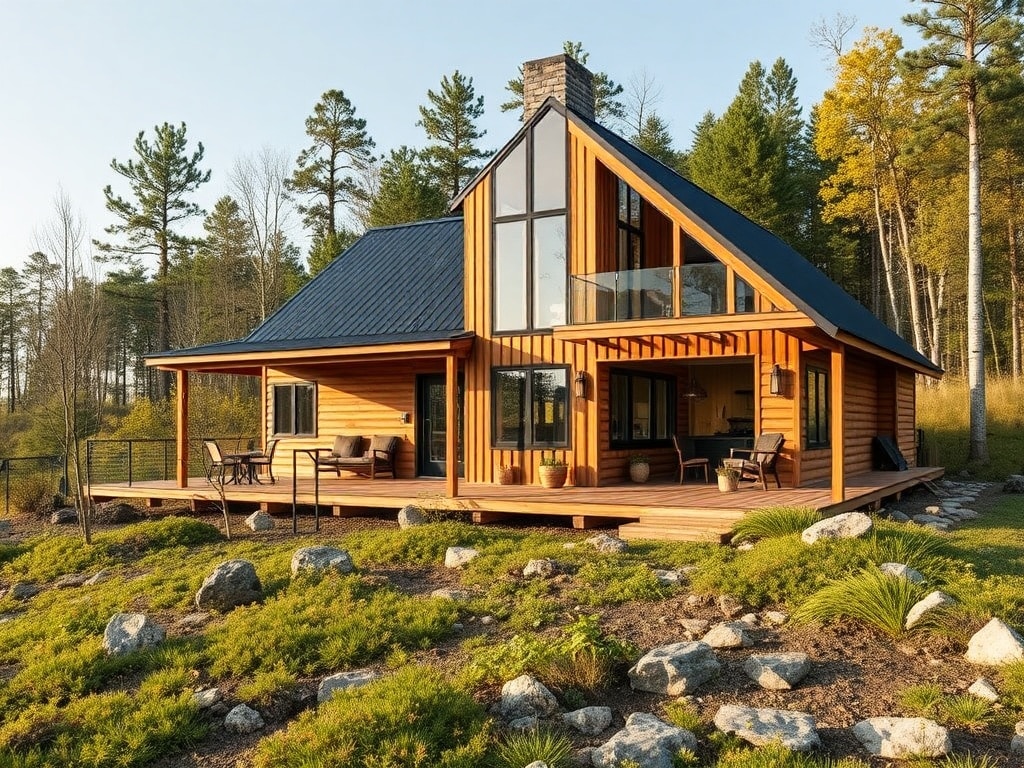
Homestead Infrastructure Plan: Turn Your Scattered Ideas into a Functional Off-Grid Oasis
What is a Homestead Infrastructure Plan and Why Do You Need One?
Imagine building a house one room at a time, without a blueprint. A bedroom here, a kitchen there… Eventually, you *might have a functional house, but it’s more likely to be a disjointed mess, plagued by inefficiencies and costly revisions. That’s essentially what happens when you build an off-grid homestead without a comprehensive infrastructure plan.
An off-grid homestead infrastructure plan is a holistic blueprint detailing how all the systems – energy, water, waste, shelter, food production – will work together harmoniously and sustainably. Instead of slapping solar panels on the roof and hoping for the best, or digging a well *after you realize you need water – you strategically design a system that anticipates your needs and maximizes your resources.
Why do you need one? Think of it as insurance against future headaches (and financial drain). A well-thought-out plan saves you:
- Time: Less backtracking, fewer “oops” moments, and a smoother construction process.
- Money: Avoid costly mistakes like undersized systems, incompatible components, or redundant infrastructure.
- Resources: Maximize the efficiency of your land, water, and energy, minimizing waste and environmental impact.
- Frustration: Knowing the whats, whys, and how’s upfront reduces stress and keeps you motivated.
For the DIY enthusiast, especially those who are building “as they go,” a homestead infrastructure plan is the key to transforming scattered ideas into a functional, resilient, and beautiful off-grid oasis. It provides clarity, direction, and a roadmap for your sustainable living journey. This is your off-grid master plan.
Assessing Your Off-Grid Needs and Priorities: Energy, Water, Waste
Before you start drawing lines on paper, you need a realistic assessment of your needs. How much energy will you consume? How much water will you use? How will you manage your waste sustainably? This section helps you delve deep into these crucial questions.
Energy Needs
Start by listing all your anticipated electrical appliances and their wattage. Don’t forget the small stuff: lights, phone chargers, computers, and kitchen appliances. Consider seasonal variations. Will you need more heating in the winter or air conditioning in the summer? Calculate your total daily and monthly energy consumption in kilowatt-hours (kWh). This will be critical for sizing your energy system.
Water Needs
Water is life, even more so off-grid. Estimate your daily water needs for drinking, cooking, bathing, laundry, gardening, and livestock (if applicable). Consider water-saving strategies like low-flow showerheads, dual-flush toilets, and xeriscaping (drought-tolerant landscaping). How many gallons per day will you realistically require?
Waste Management
Traditional sewage systems are energy-intensive and environmentally problematic. Off-grid living offers opportunities for sustainable waste management. Consider composting toilets, greywater recycling systems (for irrigation), and efficient septic systems (compliant with local regulations). Estimate the volume of solid and liquid waste you’ll produce daily and weekly.
Once you have a clear understanding of your consumption patterns, prioritize your needs. What are the non-negotiables? What can you adapt or compromise on? This prioritization will guide your system design and budgeting decisions.
Site Analysis and Resource Mapping: Sun, Water, Soil, Wind
Your land is your source of life. Understanding its unique characteristics is fundamental to a successful off-grid homestead. Conduct a thorough site analysis, mapping out your available resources: sunlight, water sources, soil types, and wind patterns. This is a critical component of your off-grid system design.
Sunlight
Sunlight is your primary energy source. Map the sun’s path across your property throughout the year. Identify areas with maximum solar exposure for solar panels and greenhouses. Note any obstructions like trees or buildings that might cast shadows. Use a solar pathfinder tool or online resources to calculate the solar potential of different locations.
Water Sources
Identify potential water sources: rainwater, wells, springs, or surface water. Assess the quantity and quality of each source. Test your well water for contaminants. Research historical rainfall data for your area to estimate rainwater harvesting potential. Map the location of streams, ponds, and drainage patterns.
Soil Types
Soil is the foundation of your food production system. Conduct soil tests to determine its pH, nutrient content, and drainage characteristics. Identify areas suitable for different types of crops and livestock grazing. Map the locations of existing vegetation and areas prone to erosion.
Wind Patterns
If you’re considering wind power, assess the wind patterns on your property. Use a wind meter to measure wind speed and direction at different locations and heights. Identify areas with consistent wind exposure and minimal turbulence. Note any obstructions that might disrupt wind flow.
Create a detailed site map showing the location of these resources. This map will be your visual guide for designing your off-grid systems. Consider using GIS software or online mapping tools to create a professional-looking map.
Zoning and Permitting Considerations for Off-Grid Systems
Don’t let your off-grid dreams turn into a legal nightmare. Research local zoning regulations and permitting requirements for off-grid systems. Ignoring these regulations can result in fines, delays, or even the forced removal of your installations. This is an essential step in any homestead infrastructure plan.
Zoning Regulations
Zoning regulations dictate how land can be used in different areas. Check your local zoning ordinances for restrictions on building size, setbacks, land use, and specific off-grid systems like solar panels, wind turbines, and composting toilets. Some areas may have specific regulations for alternative energy systems or sustainable living.
Permitting Requirements
Most off-grid systems require permits before installation. This includes building permits, electrical permits, plumbing permits, and permits for water wells and septic systems. Contact your local building department or planning office to determine the specific permits required for your project. Be prepared to submit detailed plans and specifications for your systems.
Navigating the Bureaucracy
Navigating the permitting process can be challenging. Be patient, persistent, and prepared to provide accurate and complete information. Consider hiring a professional engineer or consultant to assist with the permitting process. They can help you navigate the regulations and ensure your systems comply with local codes.
Remember, compliance with local regulations is not just a legal requirement; it’s also a matter of safety and responsibility. By obtaining the necessary permits and following building codes, you ensure the safety and longevity of your off-grid systems.
Developing Your Off-Grid Systems Map: A Visual Guide to Your Homestead
This is where your vision starts to take shape. The off-grid systems map is a visual representation of how all your systems will interact on your homestead. It integrates the information from your site analysis, needs assessment, and zoning research into a single, cohesive plan. Think of it as the architectural blueprint for your sustainable lifestyle. This systems map provides a clear overview of your off-grid master plan.
Mapping the Elements
Using your site map as a base, begin overlaying the locations of your key systems:
- Energy System: Solar panels, wind turbine, battery storage, generator, inverters, and wiring.
- Water System: Rainwater harvesting tanks, well location, pump, filtration system, storage tanks, and plumbing lines.
- Waste Management System: Septic tank, drain field, composting toilet, greywater system, and composting bins.
- Buildings and Shelter: House, barn, workshop, greenhouse, and other structures. Indicate building orientation and construction materials.
- Gardens and Food Production: Vegetable gardens, fruit trees, berry bushes, chicken coop, and livestock pasture.
Interconnecting the Systems
Draw lines connecting the different systems to show how they will interact. For example, draw a line from the solar panels to the battery storage, and then to the house’s electrical panel. Show the flow of water from the rainwater tanks to the garden and house. Indicate the direction of wind onto the wind turbine.
Adding Detail
Include details about the size and capacity of each system. For example, note the wattage of the solar panels, the capacity of the water tanks, and the size of the septic tank. Add details about the materials you plan to use for construction and landscaping.
Refining the Design
Review your off-grid systems map and make adjustments as needed. Consider the aesthetics of the design. Will the systems be visually appealing? Will they blend in with the natural environment? Consider the accessibility of the systems for maintenance and repairs.
This map is a living document that will evolve as you learn more and refine your vision. Don’t be afraid to experiment and make changes along the way.
Energy System Design: Solar, Wind, Hydro, and Battery Storage
Your energy system is the heart of your off-grid homestead. It provides the power for your lights, appliances, and tools. Choosing the right energy system depends on your energy needs, your site’s resources, and your budget. Solar, wind, and hydro are the most common renewable energy sources. Battery storage is essential for storing energy for use when the sun isn’t shining, the wind isn’t blowing, or the water isn’t flowing. Solid off-grid system design accounts for all these variables.
Solar Power
Solar power is the most popular choice for off-grid energy. Solar panels convert sunlight into electricity. The amount of electricity produced depends on the size and efficiency of the panels, the amount of sunlight, and the angle of the panels. Consider both photovoltaic (PV) panels for electricity and solar thermal panels for heating water.
Wind Power
Wind turbines convert wind energy into electricity. The amount of electricity produced depends on the size and efficiency of the turbine and the wind speed. Wind power is best suited for areas with consistent wind. Consider the noise and visual impact of wind turbines.
Hydropower
Hydropower uses the energy of flowing water to generate electricity. Hydropower is best suited for areas with a reliable water source, such as a stream or river. The amount of electricity produced depends on the volume and flow rate of the water.
Battery Storage
Battery storage is essential for storing energy generated by solar, wind, or hydro systems. Batteries store energy during periods of high production and release it during periods of low production. Choose the right battery type and capacity based on your energy needs and budget. Lithium-ion batteries are the most popular choice due to their high energy density and long lifespan.
Carefully calculate your energy needs and the potential of your renewable energy resources. Select the right combination of energy sources and battery storage to meet your needs reliably and sustainably. Consult with a qualified solar or wind power installer to ensure your system is properly designed and installed.
Water Collection and Storage: Rainwater Harvesting, Wells, and Cisterns
Access to clean water is essential for life. Off-grid homesteads must be self-sufficient in water supply. Rainwater harvesting, wells, and cisterns are the most common methods for collecting and storing water. Choose the right combination of these methods based on your water needs, your site’s resources, and your local regulations. Effective water capture and storage are key components of any off-grid master plan.
Rainwater Harvesting
Rainwater harvesting collects rainwater from roofs and other surfaces and stores it in tanks or cisterns. Rainwater is naturally soft and free of chemicals, making it ideal for drinking, cooking, and washing. Calculate the amount of rainwater you can collect based on your roof area and average rainfall. Install a filtration system to remove any debris or contaminants.
Wells
Wells tap into groundwater aquifers. Well water is generally clean and reliable, but it may contain minerals or contaminants. Test your well water regularly for bacteria, nitrates, and other pollutants. Consider the depth and yield of the well. You may need a pump to bring the water to the surface.
Cisterns
Cisterns are underground or above-ground tanks used to store water. Cisterns can be used to store rainwater or well water. Choose the right size and material for your cistern based on your water needs and your site conditions. Consider the cost and ease of installation.
Proper water management is crucial for off-grid living. Conserve water by using low-flow fixtures, fixing leaks promptly, and practicing water-wise gardening. Consider a greywater recycling system to reuse water from showers and sinks for irrigation.
Waste Management Solutions: Septic Systems, Composting Toilets, and Greywater Recycling
Sustainable waste management is essential for protecting the environment and preserving your health. Off-grid homesteads offer opportunities to implement innovative and eco-friendly waste management solutions. Septic systems, composting toilets, and greywater recycling are the most common choices. These sustainable choices are critical for the health of your off-grid system design.
Septic Systems
Septic systems treat wastewater in an underground tank and then discharge it into a drain field. Septic systems require regular maintenance to prevent clogging and failure. Choose a septic system that is appropriately sized for your household and complies with local regulations.
Composting Toilets
Composting toilets use natural decomposition to break down human waste. Composting toilets are waterless and odorless. The compost produced can be used as a soil amendment. Composting toilets are a sustainable and environmentally friendly alternative to traditional flush toilets.
Greywater Recycling
Greywater recycling reuses water from showers, sinks, and washing machines for irrigation. Greywater must be filtered and treated before it can be used for irrigation. Greywater recycling can significantly reduce your water consumption and wastewater discharge.
Consider the environmental impact, cost, and practicality of each waste management solution. Choose the right combination of solutions to meet your needs and protect the environment. Practice responsible waste disposal habits.
Building and Shelter Planning: Foundations, Materials, and Construction Techniques
Your house is your sanctuary. Building a durable, energy-efficient, and aesthetically pleasing home is a key element of your off-grid homestead. Consider the foundation, materials, and construction techniques carefully. Your shelter plans should work in harmony with the land and reduce your environmental impact. Selecting practical strategies for building is vital for any homestead infrastructure plan.
Foundations
The foundation is the base of your house. Choose a foundation that is appropriate for your soil conditions and climate. Common foundation types include concrete slabs, crawl spaces, and basements. Consider the energy efficiency of your foundation. Insulate the foundation to reduce heat loss in the winter and heat gain in the summer.
Materials
Choose building materials that are sustainable, durable, and aesthetically pleasing. Consider locally sourced materials like wood, stone, and straw. Explore alternative building materials like rammed earth, cob, and cordwood. Consider the embodied energy of the materials – the energy required to extract, process, and transport them.
Construction Techniques
Choose construction techniques that minimize waste and maximize energy efficiency. Consider passive solar design to take advantage of natural sunlight and ventilation. Use advanced framing techniques to reduce lumber usage and improve insulation. Install high-performance windows and doors.
Design your house to be energy-efficient, comfortable, and beautiful. Consider the orientation of the house to maximize solar gain in the winter and minimize heat gain in the summer. Incorporate natural light and ventilation to reduce your reliance on artificial lighting and air conditioning. Create a space that is truly your own.
Integrating Gardens, Livestock, and Food Production into Your Plan
Growing your own food is a cornerstone of self-sufficiency. Integrating gardens, livestock, and other food production systems into your homestead infrastructure plan allows you to reduce your reliance on external food sources and improve your health. Careful planning of these components ensures the long-term sustainability of your off-grid oasis.
Gardens
Plan your garden to provide a variety of fruits, vegetables, and herbs throughout the year. Consider the soil conditions, sunlight, and water availability. Use organic gardening practices to improve soil health and reduce reliance on chemical fertilizers and pesticides. Consider a greenhouse or hoop house to extend the growing season.
Livestock
Raising livestock can provide meat, eggs, milk, and manure. Choose livestock that are well-suited to your climate and land. Provide adequate shelter, feed, and water. Practice responsible animal husbandry to ensure the health and welfare of your animals. Consider the impact of livestock on the environment.
Other Food Production Systems
Explore other food production options like aquaculture, mushroom cultivation, and beekeeping. These systems can provide additional sources of food and income. Consider the skills, knowledge, and resources required for each system.
Design your food production systems to be integrated with the rest of your homestead. Use compost from your composting toilet to fertilize your garden. Use greywater to irrigate your fruit trees. Use livestock manure to enrich your soil. Create a closed-loop system that is sustainable and resilient.
Prioritization and Phased Implementation: Breaking Down the Project into Manageable Steps
Building an off-grid homestead is a complex project. Don’t try to do everything at once. Break down the project into manageable steps and prioritize the most important tasks. Phased implementation allows you to learn as you go, manage your budget effectively, and avoid overwhelm. Effective phased implementation is paramount for a successful homestead infrastructure plan.
Phase 1: Essential Infrastructure
Focus on the essential infrastructure required for basic survival: water, shelter, and energy. Drill a well or set up a rainwater harvesting system. Build a small, energy-efficient cabin or tiny house. Install a basic solar power system with battery storage. These are the non-negotiables.
Phase 2: Waste Management and Food Production
Implement sustainable waste management systems: septic system, composting toilet, and greywater recycling. Start a small garden to grow your own vegetables. Consider raising chickens for eggs and meat.
Phase 3: Expanding and Refining
Expand your gardens and food production systems. Add more livestock. Build a workshop or barn. Refine your energy and water systems. Incorporate additional renewable energy sources like wind or hydro.
Prioritize each phase based on your needs, resources, and goals. Create a timeline for each phase. Track your progress and make adjustments as needed. Celebrate your successes along the way.
Budgeting and Financing Your Off-Grid Homestead
Building an off-grid homestead can be expensive. Create a realistic budget and explore different financing options. Careful budgeting and financial planning will help you stay on track and avoid running out of money. Smart financial strategies are essential to any sustainable homestead infrastructure plan.
Creating a Budget
Estimate the cost of each component of your off-grid system: land, materials, labor, permits, and equipment. Research prices online and get quotes from contractors. Add a contingency fund to cover unexpected expenses. Track your spending carefully and make adjustments as needed.
Financing Options
Explore different financing options: personal savings, loans, grants, and crowdfunding. Consider a mortgage or home equity loan. Look for grants from government agencies or private foundations. Consider selling assets or downsizing to free up capital.
Cost-Saving Strategies
Implement cost-saving strategies: DIY construction, salvaged materials, and energy efficiency. Do as much of the work yourself as possible. Use salvaged materials whenever possible. Choose energy-efficient appliances and building materials. Reduce your consumption of goods and services.
Remember, building an off-grid homestead is a long-term investment. Focus on long-term value rather than short-term cost savings. Choose durable, high-quality materials and systems that will last for years to come.
DIY vs. Hiring Professionals: Knowing When to Seek Help
Off-grid homesteading often involves a significant amount of DIY. But there are times when hiring professionals is necessary. Knowing when to seek help can save you time, money, and headaches. Make sure your homestead infrastructure plan identifies needs for professional support.
When to DIY
DIY projects are a great way to save money and learn new skills. Consider DIY for tasks like gardening, landscaping, basic carpentry, and simple plumbing and electrical work. But be honest about your skills and limitations. Don’t attempt tasks that are beyond your abilities.
When to Hire Professionals
Hiring professionals is essential for tasks that require specialized knowledge, skills, or equipment: well drilling, septic system installation, electrical wiring, and structural engineering. Professionals can ensure that the work is done safely, correctly, and in compliance with local regulations.
Finding Qualified Professionals
Research and vet professionals carefully. Get recommendations from friends, neighbors, or online forums. Check their licenses, insurance, and references. Get multiple quotes and compare prices. Choose professionals who are experienced, reliable, and trustworthy.
Don’t be afraid to ask questions and get involved in the process. Communicate clearly with professionals about your goals and expectations. Work as a team to achieve the best possible results.
Monitoring, Maintenance, and Future Expansion
Building an off-grid homestead is an ongoing process. Monitoring, maintenance, and future expansion are essential for long-term sustainability and resilience. This allows you to get the most of your off-grid system design investment.
Monitoring
Monitor the performance of your off-grid systems regularly. Track your energy consumption, water usage, and waste production. Monitor the health of your plants and animals. Identify any problems or inefficiencies early on.
Maintenance
Perform regular maintenance on your off-grid systems. Clean your solar panels, inspect your wind turbine, and service your batteries. Maintain your water system by cleaning filters and inspecting pipes. Empty your composting toilet regularly. Fix any leaks or damage promptly.
Future Expansion
Plan for future expansion. As your needs change, you may want to add more solar panels, expand your garden, or build a new structure. Design your systems to be scalable and adaptable. Consider the long-term sustainability of your homestead.
Off-grid living is a journey, not a destination. Embrace the challenges and opportunities. Continuously learn and adapt. Enjoy the freedom and independence of living off the grid.
Common Mistakes to Avoid in Off-Grid System Design
Many DIYers make common mistakes when designing off-grid systems. Learning from these mistakes can save you time, money, and frustration. Forewarned is forearmed when creating your homestead infrastructure plan. Here are some pitfalls to avoid:
- Underestimating Energy Needs: Accurately assess your energy consumption. It’s better to overestimate than underestimate.
- Ignoring Site Analysis: Conduct a thorough site analysis to understand your resources and limitations.
- Neglecting Permitting Requirements: Research and comply with local zoning regulations and permitting requirements.
- Choosing the Wrong Equipment: Select equipment that is appropriate for your needs and your site conditions.
- Insufficient Battery Storage: Ensure you have adequate battery storage to meet your energy needs during periods of low production.
- Poor Water Management: Conserve water and implement sustainable water management practices.
- Inadequate Waste Management: Choose appropriate waste management solutions to protect the environment and your health.
- Lack of Planning: Develop a comprehensive homestead infrastructure plan before you start building.
- Poor Maintenance: Perform regular maintenance on your systems to ensure their longevity and efficiency.
- Ignoring Future Needs: Plan for future expansion and adaptation.
By avoiding these common mistakes, you can create a successful and sustainable off-grid homestead that provides you with the freedom, independence, and self-sufficiency you desire.
Before You Draw the First Line
You now have the framework. The site analysis, the phased build, the systems map, the common mistakes — it’s all here. If you work through even the first phase of what this article lays out, you’re already building smarter than most people who’ve been at this for years.
But here’s the question worth sitting with before you start drawing anything: which of your ten critical homestead systems is actually your weakest link right now?
Because the most expensive mistake in homestead infrastructure isn’t choosing the wrong solar panel or underestimating your water needs. It’s building confidently in the wrong direction — pouring time and money into a system that looks solid while a different one quietly waits to take you down.
That’s exactly what the 10-Point Homestead Vulnerability Assessment is built to prevent. It’s a free course that walks you through all ten critical homestead systems — energy, water, food, shelter, waste, livestock, income, and more — and shows you clearly which ones are solid, which ones have gaps, and where to focus first.
No fluff. No upsell in disguise. Just the honest picture of where your homestead actually stands before you commit to a plan.