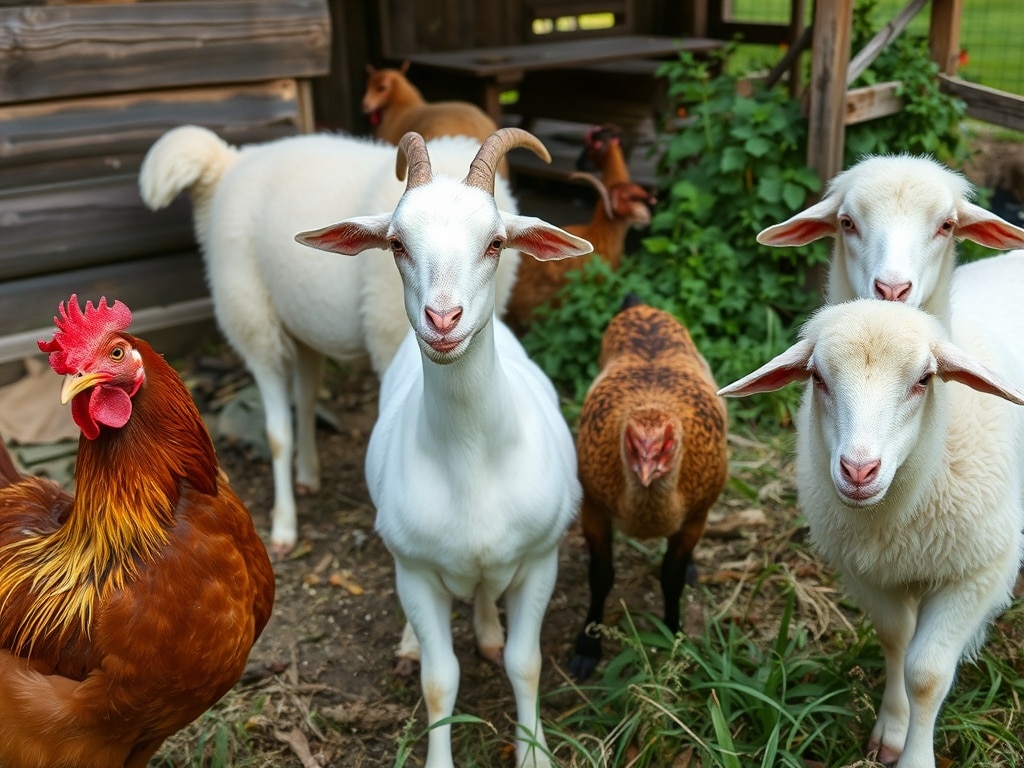
Stop Guessing, Start Knowing: Unlock Peak Homestead Animal Health with Pro Record Keeping
What is Livestock Record Keeping and Why is it Essential for Homestead Animal Health?
Livestock record keeping is the systematic process of documenting vital information about your animals. This includes everything from their birth dates and genetics to their vaccination schedules, illnesses, treatments, and production data (milk yield, egg count, weight gain, etc.). It's about creating a comprehensive history for each animal and your entire herd or flock.
Think of it as building a detailed health resume for each animal. Why is this so important? Here’s why proper records aren't just a good idea, they're the bedrock of responsible and successful animal husbandry:
- Early Detection of Problems: Spot subtle changes in behavior, appetite, or production that could indicate underlying health issues. Catching problems early can save you money on vet bills, prevent the spread of disease, and, most importantly, save lives. For instance, a slight dip in milk production, easily overlooked without records, could be the first sign of mastitis in a dairy goat.
- Informed Decision-Making: Make data-driven decisions about breeding, culling, and treatment protocols. Are certain animals consistently underperforming or prone to illness? Your records will tell you. This allows you to make informed choices that improve the overall health and productivity of your herd/flock.
- Effective Treatment: Provide your veterinarian with accurate and complete information, leading to faster and more effective diagnoses and treatments. Imagine trying to describe a past illness to your vet without any written records. Having a detailed history ensures your animal receives the best possible care.
- Compliance and Legal Protection: Meet regulatory requirements for animal health and traceability, particularly important when selling products or transporting animals. In some areas, proof of vaccination or health records are legally required. Good records also protect you in case of disputes or liability issues.
- Improved Breeding Programs: Track lineage, identify superior genetics, and make informed breeding decisions to improve the overall quality and resilience of your livestock. Want to improve milk production in your goats? Records of past performance are essential for selecting the best breeding stock.
- Financial Management: Accurately track expenses related to animal health, allowing you to make informed decisions about resource allocation and profitability. Are you spending too much on treating a particular ailment? Your records will highlight areas where you can improve efficiency and reduce costs.
Without consistent livestock record keeping, you’re essentially flying blind. You're relying on memory and guesswork, which are unreliable and can lead to costly mistakes. Start building your animal resume today, don’t wait for the first health crisis to strike.
Creating a Comprehensive Herd Health Plan: Essential Components and Best Practices
A herd health plan is a proactive strategy for maintaining the well-being of your livestock. It's a written document that outlines specific protocols for preventing disease, managing parasites, ensuring proper nutrition, and providing timely veterinary care. Think of it as a roadmap for keeping your animals healthy and thriving.
Essential components of a robust herd health plan include:
- Biosecurity Measures: Protocols to prevent the introduction and spread of disease. This includes quarantine procedures for new animals, visitor restrictions, and proper sanitation practices. A simple example: requiring visitors to disinfect their boots before entering animal areas.
- Vaccination Schedule: A detailed schedule for vaccinating against common diseases in your area, tailored to each species and age group. We'll delve deeper into this in a later section.
- Parasite Control: A plan for managing internal and external parasites, including regular fecal exams, strategic deworming, and pasture management techniques. Over-reliance on dewormers can lead to resistance, so a strategic approach is crucial.
- Nutrition Plan: A detailed plan for providing balanced nutrition to meet the specific needs of your animals, based on their age, breed, and production stage. This includes forage analysis, supplement recommendations, and monitoring body condition.
- Reproductive Management: Protocols for breeding, pregnancy testing, and managing birthing/lambing/kidding. This includes record keeping of breeding dates, due dates, and any complications during pregnancy or birth.
- Emergency Preparedness: A plan for dealing with emergencies such as injuries, disease outbreaks, or natural disasters. This includes contact information for your veterinarian, a list of essential supplies, and evacuation procedures.
Best practices for creating and implementing your herd health plan:
- Consult with your veterinarian: Your vet is your most valuable resource. Work with them to develop a plan that is tailored to your specific animals, location, and management practices.
- Keep it simple and practical: A complex plan that is difficult to implement is useless. Focus on the most important aspects of animal health and create a plan that is easy to follow.
- Regularly review and update your plan: Your plan should be a living document that is updated as needed to reflect changes in your herd, environment, or management practices.
By investing the time to create a comprehensive herd health plan, you'll be well-equipped to prevent disease, optimize animal health, and ensure the long-term success of your homestead.
Understanding VCPR (Veterinarian-Client-Patient Relationship) and Finding a Livestock Vet
A VCPR (Veterinarian-Client-Patient Relationship) is the foundation of quality veterinary care. It exists when your veterinarian has examined your animals, has sufficient knowledge of their health to make a diagnosis, and you have agreed to follow their recommendations. Simply put, it is a working partnership between you and your vet.
Why is a VCPR so important?
- Legality: In many jurisdictions, a VCPR is legally required for veterinarians to prescribe medications or perform certain procedures.
- Quality of Care: A VCPR ensures that your animals receive appropriate and individualized care based on their specific needs and health history.
- Access to Expertise: A strong VCPR allows you to tap into your veterinarian's expertise and receive guidance on all aspects of animal health management.
Finding a livestock vet can be challenging, especially in rural areas. Here are some tips:
- Ask for referrals: Contact your local agricultural extension office, farmers' cooperative, or other livestock producers for recommendations.
- Search online directories: The American Veterinary Medical Association (AVMA) and other veterinary organizations have online directories of veterinarians.
- Consider mixed-animal practices: Some veterinary practices specialize in both large and small animals. Even if they primarily treat companion animals, they may have experience with livestock.
- Don't be afraid to interview vets: Call potential vets and ask about their experience with your specific species of livestock, their approach to preventative care, and their availability for emergencies.
Once you've found a potential vet, establish a strong VCPR by:
- Scheduling regular checkups: Don't wait for a crisis to call your vet. Schedule regular checkups to monitor your animals' health and discuss any concerns.
- Maintaining good communication: Keep your vet informed about any changes in your animals' behavior, appetite, or production. Provide them with accurate and complete medical records.
- Following their recommendations: Trust your vet's expertise and follow their recommendations for treatment and preventative care.
Building a strong relationship with a qualified livestock vet is an investment in the health and well-being of your animals and the success of your homestead.
Developing a Detailed Vaccination Schedule for Different Types of Livestock
Vaccinations are a crucial component of preventative healthcare for livestock. They help protect your animals from a range of infectious diseases that can cause illness, reduced productivity, and even death. A well-designed vaccination schedule, tailored to your specific animals and location, is essential for maintaining a healthy herd or flock.
Here's a general overview of common vaccinations for different types of livestock. Always consult with your veterinarian to develop a specific schedule that is appropriate for your animals and region.
- Cattle:
- Blackleg: A highly fatal bacterial disease that affects young cattle. Vaccination is highly recommended in most areas.
- IBR (Infectious Bovine Rhinotracheitis): A respiratory disease that can cause fever, coughing, and pneumonia.
- BVD (Bovine Viral Diarrhea): A viral disease that can cause a variety of symptoms, including diarrhea, fever, and reproductive problems.
- BRSV (Bovine Respiratory Syncytial Virus): Another respiratory disease that can cause pneumonia in cattle.
- Leptospirosis: A bacterial disease that can cause abortion, infertility, and kidney damage.
- Goats and Sheep:
- CD&T (Clostridium perfringens types C & D and Tetanus): A combination vaccine that protects against overeating disease and tetanus.
- Sore Mouth (Orf): A viral disease that causes lesions around the mouth and nose. Vaccination is recommended in areas where the disease is prevalent.
- Pigs:
- Erysipelas: A bacterial disease that can cause skin lesions, arthritis, and sudden death.
- Porcine Circovirus (PCV2): A viral disease that can cause a variety of symptoms, including weight loss, pneumonia, and diarrhea.
- Mycoplasma hyopneumoniae: A bacterial disease that causes pneumonia in pigs.
- Poultry:
- Marek's Disease: A highly contagious viral disease that causes tumors in chickens. Vaccination is typically given to chicks at hatch.
- Newcastle Disease: A viral disease that can cause respiratory and neurological symptoms in poultry.
- Infectious Bronchitis: A viral disease that can cause respiratory symptoms and reduced egg production in chickens.
- Fowl Pox: A viral disease that causes lesions on the skin and comb of chickens.
Factors to consider when developing your vaccination schedule:
- Age of the animal: Young animals are more susceptible to certain diseases and may require a different vaccination schedule than adults.
- Geographic location: The prevalence of certain diseases varies depending on your location.
- Management practices: High-density housing and frequent movement of animals can increase the risk of disease and may require a more intensive vaccination schedule.
- Vaccine type: Different vaccines have different durations of immunity and may require boosters at different intervals.
Remember to keep detailed records of all vaccinations, including the date of administration, the vaccine used, and any adverse reactions. This information is crucial for tracking your animals' health and making informed decisions about future vaccinations.
Effective Methods for Logging and Tracking Animal Health on the Homestead
The most well-thought-out herd health plan and vaccination schedule are worthless if you don’t consistently log and track your animal health data. Luckily, there are many simple, effective choices for data collection.
Effective methods for logging and tracking animal health on the homestead:
- Individual Animal Records: Maintain a separate record for each animal, either in a notebook, spreadsheet, or dedicated software program. This record should include the animal's identification (name, number, ear tag), birth date, breed, medical history, vaccination schedule, and production data.
- Daily Observation Logs: Keep a daily log of your observations of your animals' health and behavior. This log should include any signs of illness, injury, or unusual behavior. Even a quickly scribbled note is a helpful start, as long as it isn't forgotten.
- Treatment Records: Document all treatments given to your animals, including the date, medication used, dosage, and route of administration. Keep a record of the animal's response to treatment and any side effects.
- Production Records: Track production data for each animal, such as milk yield, egg count, weight gain, or wool production. This information can help you identify underperforming animals and make informed decisions about breeding and culling.
- Quarantine Logs: Maintain a log of all animals that are quarantined, including the reason for quarantine, the date of quarantine, and the date of release. This will help you prevent the spread of disease on your homestead.
To ensure accuracy and consistency, establish a clear system for data entry and storage. Designate a specific person to be responsible for maintaining the records and ensure that they are properly trained. Regularly review your records to identify trends and potential problems.
Consider using a combination of methods to track animal health. For example, you could use a notebook for daily observations and a spreadsheet for more detailed records. The key is to find a system that works for you and that you can consistently maintain.
Key Data Points to Include in Your Homestead Animal Health Log: Templates and Examples
So, what information should you actually be tracking? A comprehensive homestead animal health log should include the following key data points:
- Animal Identification:
- Name (if applicable)
- Ear tag number or other unique identifier
- Species
- Breed
- Sex
- Birth date (or estimated birth date)
- Medical History:
- Vaccination dates and types
- Deworming dates and medications
- Illnesses and injuries
- Treatments and medications administered
- Veterinary visits and diagnoses
- Production Data:
- Milk yield (for dairy animals)
- Egg count (for poultry)
- Weight gain (for meat animals)
- Wool production (for sheep)
- Breeding dates and results
- Birthing/lambing/kidding dates and results
- Daily Observations:
- Appetite
- Behavior
- Physical appearance (coat, eyes, etc.)
- Any signs of illness or injury
- Environmental Factors:
- Weather conditions
- Pasture conditions
- Feed quality
Example Template (Individual Animal Record):
Animal ID: #123 (Goat)
Name: Daisy
Breed: Nubian
Birthdate: 03/15/2022
| Date | Observation | Treatment |
|---|---|---|
| 05/01/2023 | Slight cough, decreased appetite | Temperature taken: 104°F. Called vet. |
| 05/02/2023 | Vet administered antibiotics. Restricted to pen. | Antibiotics (dosage recorded). |
| 05/07/2023 | Cough resolved, appetite normal. | |
| 06/01/2023 | CD&T Vaccination | CD&T Vaccine (batch number recorded). |
You can customize this template to fit your specific needs and species of livestock. Consider creating separate templates for different types of records, such as a vaccination schedule or a treatment log. The key is to create a system that is easy to use and that provides you with the information you need to manage your animals' health effectively.
How to Use Livestock Records to Identify Health Trends and Prevent Future Problems
The true power of livestock record keeping isn't just in collecting data; it's in analyzing that data to identify trends and prevent future problems. Think of your records as a crystal ball, allowing you to anticipate and address potential health issues before they become major crises.
Here's how to use your records to identify health trends:
- Track the incidence of disease: Are you seeing a recurring pattern of a particular disease in your herd or flock? This could indicate a problem with your biosecurity measures, vaccination schedule, or environmental management.
- Monitor production data: Are you seeing a decline in milk yield, egg count, or weight gain in certain animals or groups of animals? This could indicate a nutritional deficiency, underlying health issue, or genetic problem.
- Analyze treatment records: Are you consistently using the same medication to treat a particular ailment? This could indicate a problem with antibiotic resistance or a need to re-evaluate your treatment protocols.
- Compare performance across different groups of animals: Are certain breeds or bloodlines performing better than others? This information can help you make informed decisions about breeding and culling.
- Look for correlations between environmental factors and health outcomes: Are you seeing more health problems during certain times of the year or under certain weather conditions? This information can help you adjust your management practices to mitigate these risks.
Once you've identified a health trend, take proactive steps to address the underlying problem. This could involve improving your biosecurity measures, adjusting your vaccination schedule, modifying your nutrition plan, or culling underperforming animals.
For example, if you notice a recurring pattern of respiratory infections in your goats during the winter months, you could improve ventilation in their shelter, supplement their diet with vitamin C, or vaccinate against common respiratory viruses. By using your records to identify and address potential problems early on, you can prevent serious health issues and improve the overall well-being of your animals.
Digital vs. Paper Record Keeping: Pros, Cons, and Software Recommendations
When it comes to livestock record keeping, you have two main options: digital and paper. Both methods have their pros and cons, and the best choice for you will depend on your individual needs and preferences.
Paper Record Keeping:
Pros:
- Low-tech and inexpensive: Requires only basic supplies like notebooks, pens, and paper.
- No reliance on technology: Can be used anywhere, even without electricity or internet access.
- Easy to customize: You can design your own templates and tailor them to your specific needs.
Cons:
- Time-consuming: Data entry and analysis can be slow and tedious.
- Difficult to search and analyze data: Finding specific information can be challenging.
- Prone to errors: Handwritten records are more likely to contain errors than digital records.
- Risk of loss or damage: Paper records can be easily lost, damaged, or destroyed.
Digital Record Keeping:
Pros:
- Efficient and accurate: Data entry and analysis can be done quickly and accurately.
- Easy to search and analyze data: Finding specific information is quick and easy.
- Secure and backed up: Digital records can be easily backed up to prevent loss.
- Accessible from anywhere: Cloud-based software allows you to access your records from any device with an internet connection.
Cons:
- Requires technology: You need a computer or mobile device and internet access.
- Can be expensive: Some software programs require a subscription fee.
- Steeper learning curve: It may take some time to learn how to use the software effectively.
- Potential for technical glitches: Software can crash or experience technical problems.
Software Recommendations:
- Google Sheets/Microsoft Excel: Simple and versatile spreadsheet programs that can be used for basic record keeping.
- PastureMap: A comprehensive farm management software that includes features for tracking livestock health, grazing, and finances.
- CattleMax: Specifically designed for cattle producers, offering tracking and management
Ultimately, the best method for livestock record keeping is the one that works best for you. Consider your individual needs, resources, and technical skills when making your decision. You may even want to start with a paper system and gradually transition to a digital system as your herd/flock grows and your record-keeping needs become more complex.
Legal and Financial Benefits of Maintaining Thorough Livestock Records
While the primary reason for meticulous livestock record keeping is to improve animal health and productivity, there are also significant legal and financial benefits to consider. Think of it as protecting your business and maximizing your profitability.
Legal Benefits:
- Proof of Ownership: In case of disputes or theft, your records can serve as proof of ownership for your animals. Accurate identification records (ear tags, photos, etc.) are crucial.
- Compliance with Regulations: Many jurisdictions have regulations regarding animal health, traceability, and food safety. Thorough records help you demonstrate compliance with these regulations and avoid fines or penalties.
- Liability Protection: In case of animal-related incidents (e.g., an animal injuring someone or causing property damage), your records can help you demonstrate that you took reasonable steps to prevent the incident and provide proper care for your animals.
- Insurance Claims: If you need to file an insurance claim due to animal illness, injury, or death, your records will provide the necessary documentation to support your claim.
Financial Benefits:
- Tax Deductions: Expenses related to animal health, such as veterinary care, medications, and vaccinations, are often tax-deductible. Your records will provide the documentation needed to claim these deductions.
- Loan Applications: When applying for a loan to expand your homestead or purchase new livestock, your records can demonstrate the profitability and sustainability of your operation, increasing your chances of approval. Demonstrating profitability to a lender is key!
- Grant Applications: Many government and private organizations offer grants to support sustainable agriculture and animal welfare. Thorough records can strengthen your grant applications by demonstrating your commitment to responsible animal management.
- Improved Marketing and Sales: If you sell your livestock or their products (meat, milk, eggs, wool), your records can be used to market the quality and health of your animals, potentially commanding premium prices. Consumers are increasingly interested in knowing where their food comes from and how it was raised.
By maintaining thorough livestock records, you're not just taking care of your animals; you're also protecting your legal rights and maximizing your financial opportunities.
Advanced Strategies: Using Data Analysis to Optimize Animal Health and Productivity
Ready to take your livestock record keeping to the next level? Advanced data analysis can unlock even greater insights into your animal health and productivity, allowing you to fine-tune your management practices and achieve optimal results.
Here are some advanced strategies for using data analysis on your homestead:
- Statistical Analysis: Use statistical software or online tools to analyze your data and identify statistically significant trends. For example, you could use regression analysis to determine the relationship between feed quality and milk production, or use t-tests to compare the performance of different breeds.
- Benchmarking: Compare your animal health and productivity metrics to industry benchmarks or to other farms in your area. This can help you identify areas where you're excelling and areas where you need to improve.
- Predictive Modeling: Use historical data to build predictive models that can forecast future health problems or production levels. For example, you could use machine learning algorithms to predict the likelihood of a disease outbreak based on weather patterns and animal behavior.
- Spatial Analysis: Use mapping software to visualize the spatial distribution of health problems or production levels on your farm. This can help you identify areas where there are environmental risks or where you need to improve pasture management.
- Data Visualization: Create charts, graphs, and dashboards to visualize your data and make it easier to understand. This can help you communicate your findings to your veterinarian, farm staff, or potential investors.
To implement these advanced strategies, you'll need to invest in data analysis tools and training. Consider taking online courses, attending workshops, or working with a consultant who specializes in agricultural data analysis.
While advanced data analysis may seem daunting, the potential rewards are significant. By using data to optimize your animal health and productivity, you can increase your profitability, improve the welfare of your animals, and create a more sustainable homestead.
One More Thing Before You Go
You now have the framework. The templates, the vaccination schedules, the data analysis strategy — it's all here. If you implement even half of what's in this article, you're already ahead of 90% of homesteaders raising animals today.
But here's the honest question nobody asks out loud: is your animal health system the weakest link on your homestead, or is something else quietly waiting to take you down?
Because a flock with perfect records doesn't save you if your water system fails in August. A well-vaccinated herd doesn't matter if your feed supply gets cut off. The animals are one piece. The rest of the homestead either supports them — or it doesn't.
I built the 10-Point Homestead Vulnerability Assessment for exactly this moment — when you've just leveled up one area and you're ready to see the full picture clearly. It's free, it's fast, and it will tell you exactly which of your ten critical homestead systems is most at risk right now.
No fluff. No upsell in disguise. Just a clear-eyed look at where your operation actually stands.
Take the free 10-Point Homestead Vulnerability Assessment →