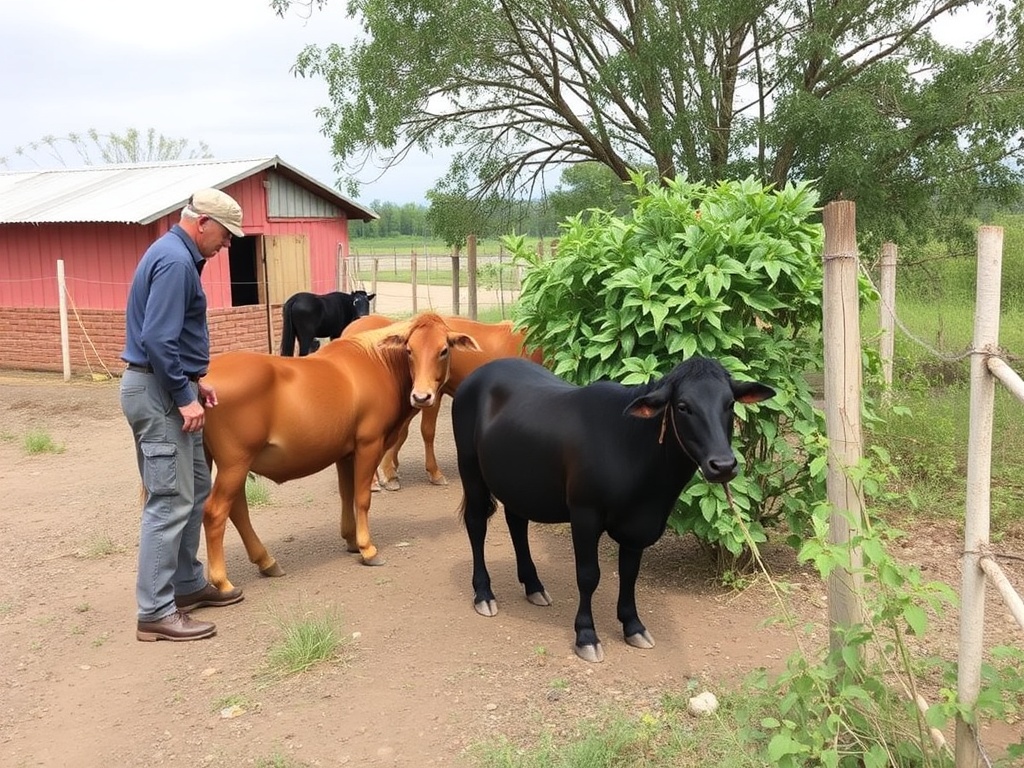
Livestock Biosecurity: A Step-by-Step Guide
What is Livestock Biosecurity and Why is it Important for Homesteaders?
Imagine your homestead as a self-sufficient ecosystem, teeming with life, from the smallest seedling to your beloved livestock. Now, imagine a silent invader – a disease – threatening to disrupt that delicate balance. That’s where livestock biosecurity comes in. In essence, it’s the preventative medicine of the homestead, a collection of practices designed to minimize the risk of infectious diseases entering and spreading within your animal populations. For homesteaders, livestock biosecurity isn’t just good practice; it’s essential for both animal well-being and financial security. A disease outbreak can decimate a flock or herd, wiping out months (or even years) of hard work and investment. Moreover, some livestock diseases can be zoonotic, meaning they can be transmitted to humans, posing a direct risk to your family’s health. Understanding and implementing a robust livestock biosecurity plan is the cornerstone of responsible animal husbandry.
Assessing Biosecurity Risks on Your Homestead: Identifying Potential Threats
Before you can defend your homestead, you need to know what you’re defending against. A thorough risk assessment is the first step in creating an effective livestock biosecurity plan. This involves identifying potential pathways for diseases to enter your property. Consider these key areas:
- New Animals: Bringing in new livestock is one of the highest risk factors. Are they coming from a reputable source with health records?
- Visitors: Foot traffic, vehicles, and equipment can carry pathogens onto your property.
- Wildlife and Pests: Rodents, birds, insects, and wild animals can transmit diseases. Are your feed storage and coop areas properly secured?
- Water Sources: Contaminated ponds, streams, or shared water troughs can spread disease.
- Feed and Bedding: Poorly stored feed or contaminated bedding can harbor pathogens.
- Manure Management: Improperly managed manure can be a breeding ground for disease.
- Neighboring Farms: Are there nearby farms with known disease concerns? Downwind farms, and shared grazing, can be of particular concern.
By systematically evaluating these potential threats, you can tailor your biosecurity plan to address the specific risks your homestead faces.
Creating a Comprehensive Livestock Biosecurity Plan: A Step-by-Step Approach
A well-defined biosecurity plan acts as your roadmap for preventing disease outbreaks. Here’s a step-by-step guide to creating a robust plan:
- Define Your Goals: What specific diseases are you most concerned about preventing? What are your priorities for protecting your flock or herd?
- Identify Critical Control Points: Based on your risk assessment, pinpoint the areas where you can most effectively intervene to prevent disease transmission (e.g., quarantine area, feed storage, manure management).
- Establish Biosecurity Protocols: For each critical control point, develop clear, practical protocols. These should outline specific actions to be taken, who is responsible, and how often they should be performed.
- Document Your Plan: Write down your biosecurity plan, including all protocols and procedures.
- Train Everyone Involved: Ensure that everyone who handles your livestock understands the plan and their role in implementing it.
- Regularly Review and Update: Biosecurity threats can change over time. Review your plan at least annually, and update it as needed to reflect new risks or changes in your homestead operations.
A good livestock biosecurity plan is not a static document; it’s a living guide that evolves with your homestead.
Quarantine Protocols for New Livestock: Preventing the Introduction of Disease
Quarantine new animals is absolutely critical. Think of it as the first line of defense. Before introducing any new animal to your existing flock or herd, isolate it in a separate area for a minimum of 30 days. This quarantine area should be physically separated from your other animals, with separate feeding and watering equipment. During the quarantine period:
- Observe Closely: Monitor the new animal for any signs of illness, such as lethargy, coughing, diarrhea, or abnormal behavior.
- Perform Necessary Tests: Consult with your veterinarian about appropriate testing for common diseases in the species you’re introducing.
- Treat as Needed: If any signs of illness develop, consult with your veterinarian for diagnosis and treatment.
- Practice Strict Hygiene: When entering and leaving the quarantine area, wear separate boots and clothing, and wash your hands thoroughly to prevent cross-contamination.
Only after the quarantine period is complete and the animal shows no signs of illness should it be introduced to the rest of your livestock. It is best practice to quarantine new animals, even if they *appearhealthy. Subclinical infections can exist.
Implementing Strict Hygiene Practices on the Homestead: Minimizing Contamination
Good hygiene is fundamental to disease prevention homestead goals. Pathogens can spread easily through contaminated surfaces, equipment, and clothing. Key hygiene practices include:
- Handwashing: Wash your hands thoroughly with soap and water before and after handling livestock, especially before and after tending to sick animals.
- Disinfection: Regularly disinfect equipment such as feeders, waterers, boots, and tools. Use appropriate disinfectants according to the manufacturer’s instructions.
- Cleaning: Keep animal housing areas clean and dry. Remove manure and soiled bedding regularly.
- Foot Baths: Use foot baths containing disinfectant at the entrances to animal housing areas to prevent the spread of pathogens on your boots.
- Designated Clothing and Footwear: Wear separate clothing and boots when working with livestock, and avoid wearing these items into your house.
Consistent and thorough hygiene practices are essential for minimizing the risk of disease transmission on your homestead.
Best Practices for Manure Management: Reducing Pathogen Load and Environmental Impact
Manure can be a significant source of pathogens. Proper manure management is crucial for reducing the risk of disease and protecting the environment. Best practices include:
- Regular Removal: Remove manure from animal housing areas regularly to prevent pathogen buildup.
- Composting: Composting manure effectively kills many pathogens and creates a valuable soil amendment. Follow proper composting techniques to ensure adequate heat generation.
- Proper Storage: Store manure in a designated area away from animal housing and water sources. Cover the manure pile to prevent runoff and reduce odor.
- Avoid Over-Application: When using manure as fertilizer, avoid over-application, which can lead to nutrient runoff and water contamination.
- Minimize Contact: Prevent direct contact between livestock and manure piles to reduce the risk of infection.
Effective manure management not only protects your livestock but also contributes to a healthier environment.
Controlling Vectors and Pests: Preventing Disease Transmission
Vectors, such as mosquitoes, ticks, and flies, and pests, such as rodents, can transmit diseases to livestock. Controlling these vectors and pests is an important part of your biosecurity plan. Strategies include:
- Eliminate Breeding Sites: Remove standing water, which serves as breeding grounds for mosquitoes.
- Insecticides: Use insecticides to control flies and other insects, following label instructions carefully.
- Rodent Control: Implement a rodent control program using traps or bait.
- Secure Feed Storage: Store feed in rodent-proof containers to prevent infestation.
- Maintain Cleanliness: Keep animal housing areas clean to reduce attractants for pests.
A comprehensive pest and vector control program helps to minimize the risk of disease transmission to your livestock.
Monitoring Livestock Health: Early Detection of Illness
Regularly observing your livestock for signs of illness is crucial for early detection and intervention. Key signs to watch for include:
- Changes in Behavior: Lethargy, decreased appetite, or unusual aggression.
- Abnormal Posture: Head tilting, lameness, or hunched back.
- Respiratory Signs: Coughing, sneezing, or nasal discharge.
- Digestive Issues: Diarrhea, vomiting, or loss of appetite.
- Skin Problems: Lesions, hair loss, or itching.
- Decreased Production: Reduced egg laying, milk production, or weight gain.
If you notice any of these signs, isolate the affected animal(s) immediately and consult with your veterinarian for diagnosis and treatment. Early detection and prompt action can prevent the spread of disease to the rest of your flock or herd.
Vaccination and Disease Prevention Strategies: Protecting Your Animals
Vaccination is a powerful tool for preventing many common livestock diseases. Consult with your veterinarian to develop a vaccination program tailored to your specific livestock species and the diseases prevalent in your area. In addition to vaccination, consider other disease prevention strategies, such as:
- Probiotics: Supplementing with probiotics can help to support a healthy gut microbiome and boost immunity.
- Herbal Remedies: Some herbal remedies have been shown to have immune-boosting or antimicrobial properties. Research appropriate herbs for your livestock species and consult with a veterinarian experienced in herbal medicine.
- Nutritional Support: Ensure that your livestock receive a balanced diet with adequate vitamins and minerals to support their immune system.
A proactive approach to disease prevention can significantly reduce the risk of outbreaks and improve the overall health of your livestock.
Maintaining a Closed Herd/Flock vs. Introducing New Animals: Weighing the Risks
A closed herd or closed flock refers to a livestock population where no new animals are introduced. This significantly reduces the risk of introducing new diseases. However, a closed herd/flock can also lead to inbreeding and reduced genetic diversity over time. If you choose to introduce new animals, take extra precautions:
- Source from Reputable Breeders: Choose breeders with a strong track record of health and biosecurity.
- Request Health Records: Obtain complete health records for the animal, including vaccination history and disease testing results.
- Quarantine: As described above, quarantine all new animals for a minimum of 30 days.
Carefully weigh the risks and benefits of maintaining a closed herd/flock versus introducing new animals, and implement appropriate biosecurity measures to mitigate the risks.
Emergency Biosecurity Procedures: Responding to an Outbreak
Despite your best efforts, disease outbreaks can still occur. Having emergency biosecurity procedures in place is essential for containing the spread of the disease. Key steps include:
- Early Detection: As mentioned previously, monitor your livestock closely for signs of illness.
- Isolation: Immediately isolate any suspected cases to prevent further spread.
- Consult with a Veterinarian: Contact your veterinarian for diagnosis and treatment recommendations.
- Quarantine: Implement a strict quarantine of the affected area to prevent movement of animals, personnel, or equipment.
- Disinfection: Thoroughly disinfect all surfaces and equipment that may have come into contact with the infected animals.
- Reporting: Report notifiable diseases to your local or state animal health authorities.
- Disposal: Follow proper disposal procedures for deceased animals to prevent further spread of the disease.
A rapid and coordinated response is crucial for minimizing the impact of a disease outbreak.
Specific Biosecurity Considerations for Backyard Poultry: Salmonella Prevention and More
Backyard poultry requires special biosecurity attention, due to salmonella risks among others. Backyard poultry salmonella prevention is a major concern. Salmonella can be shed in chicken droppings, contaminating eggs and surfaces. Here are specific biosecurity measures for poultry:
- Handwashing: Always wash your hands thoroughly after handling chickens or eggs.
- Egg Handling: Collect eggs frequently and wash them thoroughly. Store refrigerated eggs promptly.
- Coop Cleanliness: Keep the coop clean and dry. Regularly remove manure and replace bedding.
- Rodent Control: Rodents can carry salmonella. Implement a rodent control program.
- Prevent Contact with Wild Birds: Wild birds can transmit diseases to poultry. Keep feeders and waterers covered to prevent access by wild birds. Construct runs or covered coops to keep distance between the birds, and to reduce the transmission of avian flu.
- Biosecurity with Hatching Eggs: Dispose of unhatched eggs in a sealed bag, properly. Do not attempt to hatch them.
By following these biosecurity measures, you can reduce the risk of salmonella contamination and protect the health of your family and flock.
Biosecurity for Small Ruminants (Goats, Sheep): Common Disease Prevention
Goats and sheep are susceptible to a range of diseases, including internal parasites, foot rot, and pneumonia. Common disease prevention strategies for small ruminants include:
- Parasite Control: Implement a regular deworming program based on fecal egg counts. Rotate dewormers to prevent resistance.
- Foot Care: Trim hooves regularly to prevent foot rot. Provide dry, clean footing.
- Vaccination: Vaccinate against common diseases such as tetanus and clostridial diseases.
- Nutrition: Provide a balanced diet with adequate minerals, especially copper and selenium.
- Ventilation: Ensure good ventilation in animal housing areas to prevent respiratory disease.
- Quarantine New Animals: As always, quarantine new arrivals properly.
A proactive approach to disease prevention is essential for maintaining the health and productivity of your goat and sheep herd.
Biosecurity for Pigs: Preventing Swine Diseases on the Homestead
Pigs are susceptible to a variety of diseases, including swine influenza, porcine reproductive and respiratory syndrome (PRRS), and African swine fever (ASF – a devastating exotic infection). Preventative measures can keep your farm’s herd healthy!
- Secure Perimeter: Erect fencing that restricts wildlife (especially feral pigs, who may carry ASF) from accessing the pig enclosure.
- Source Healthy Pigs: Purchase piglets from reputable breeders with rigorous biosecurity protocols. Ask about testing prior to transport.
- Isolate New Arrivals: Keep them separate for up to 30 days, and blood test prior to integration.
- Monitor and Control Visitors: Limit contact between herd and any outside visitors. If visitors need to access the pig enclosure, require biosecurity footbaths.
- Report Illness: Keep tabs on the pigs’ behavior. Any sign of illness could be the start of an outbreak.
Biosecurity for Cattle: Protecting Your Herd from Common Illnesses
Cattle can be impacted by BVD, IBR, and other diseases. Limiting your herd’s risk of illness is key to profit.
- Regular Vet Checks: Regular exams are key to discovering potential issues.
- Foot Baths: Prevent illnesses of the feet with routine foot baths.
- Secure Purchasing: Only buy from known breeders who are likely to have healthy stock.
Sourcing Healthy Livestock: Choosing Reputable Breeders and Suppliers
The source of your livestock is a critical factor in biosecurity. Choosing reputable breeders and suppliers is essential for minimizing the risk of introducing diseases to your homestead. Look for breeders who:
- Have a Strong Track Record of Health: Ask about their disease prevention practices and health management protocols.
- Maintain Accurate Records: Request health records for the animals you’re purchasing, including vaccination history and disease testing results.
- Are Transparent and Open: A reputable breeder should be willing to answer your questions honestly and openly, and allow you to inspect their facilities.
Invest the time and effort to find reputable breeders and suppliers, and you’ll significantly reduce the risk of bringing diseased animals onto your homestead.
Testing and Diagnostics: When and How to Test for Diseases
Disease testing is an important tool for monitoring the health of your livestock and identifying potential problems early on. Consult with your veterinarian about appropriate testing protocols for your specific livestock species and the diseases prevalent in your area. Common types of tests include:
- Blood Tests: Can detect antibodies or antigens to specific diseases.
- Fecal Exams: Can identify internal parasites or other pathogens.
- Swabs: Can be used to collect samples for bacterial or viral culture.
Your veterinarian can advise you on when and how to collect samples, and interpret the results. Regular testing can help you to identify and address health problems before they spread to the rest of your flock or herd.
Working with a Veterinarian: Establishing a Relationship for Biosecurity Support
Establishing a strong relationship with a veterinarian is essential for biosecurity support. Your veterinarian can:
- Develop a Biosecurity Plan: Help you to assess your risks and create a comprehensive biosecurity plan tailored to your homestead.
- Provide Diagnostic Services: Diagnose and treat sick animals.
- Recommend Vaccination Programs: Develop a vaccination program tailored to your specific livestock species and the diseases prevalent in your area.
- Offer Expert Advice: Provide guidance on disease prevention and management.
- Provide Emergency Care: Be available to provide emergency care in the event of a disease outbreak.
Choose a veterinarian who is experienced in working with livestock and who understands the specific challenges faced by homesteaders. A strong relationship with your veterinarian can provide you with invaluable support in protecting the health of your livestock.
Record Keeping: Tracking Animal Health and Biosecurity Measures
Detailed record keeping is an essential component of a comprehensive biosecurity plan. Maintain records of:
- Animal Health: Vaccinations, deworming, illnesses, and treatments.
- Biosecurity Measures: Dates of disinfection, pest control treatments, and quarantine periods.
- Feed and Water Sources: Source of feed and water, and any changes in source.
- Visitors: Dates of visits and purpose of visits.
Accurate records can help you to track animal health, identify potential biosecurity breaches, and evaluate the effectiveness of your biosecurity plan. These records are also invaluable in the event of a disease outbreak, as they can help you to trace the source of the infection and take appropriate action.
Staying Informed: Resources for Livestock Disease Information and Biosecurity Updates
Livestock diseases and biosecurity recommendations are constantly evolving. Staying informed about the latest information is crucial for protecting your livestock. Resources include:
- Your Veterinarian: Your veterinarian is a valuable source of information and advice.
- State and Federal Animal Health Agencies: These agencies provide information about disease outbreaks and biosecurity recommendations.
- University Extension Services: Offer educational resources and programs on livestock health and biosecurity.
- Livestock Breed Associations: Provide information about breed-specific health concerns and best practices.
- Online Resources: There are many reputable websites and online forums dedicated to livestock health and biosecurity.
By staying informed and proactive, you can protect your livestock from disease and ensure the health and well-being of your homestead. A good livestock biosecurity plan is necessary to defend the flock and allow animals to thrive.