
Unlocking Mental Clarity: The Power of Nature
Imagine the feeling: the sun on your skin, a gentle breeze whispering through the trees, the scent of pine needles filling your lungs. Forget the relentless ping of notifications, the glare of screens, the concrete jungle’s ceaseless hum. This is the embrace of nature, and it holds a key to unlocking profound mental clarity. In our increasingly digitized and demanding world, understanding and intentionally *using nature for mental clarityisn’t a luxury – it’s a necessity.
The Science Behind Nature’s Calming Effect
It’s more than just a feeling – robust scientific research backs up the intuitive sense that nature is good for us. Studies have consistently shown that spending time in natural environments can lower blood pressure, reduce stress hormones like cortisol, and boost the immune system. But why?
**Attention Restoration Theory (ART):Developed by environmental psychologists Stephen and Rachel Kaplan, ART suggests that urban environments demand directed attention, which requires effort and can lead to mental fatigue. Nature, on the other hand, invites effortless attention, allowing our minds to wander and recover. Think of it as a mental reset button.
**Stress Reduction Theory (SRT):This theory posits that exposure to natural environments triggers a positive emotional response, directly counteracting stress. Natural elements like greenery, water, and sunlight evoke feelings of safety and tranquility, reducing physiological arousal and promoting relaxation.
**The Role of Phytoncides:Trees and other plants release airborne chemicals called phytoncides, which have been shown to boost the activity of natural killer (NK) cells in our immune system. These cells play a crucial role in fighting off infections and cancer, suggesting that even a short walk in the woods can have tangible physical and mental benefits.
Beyond Stress Reduction: Cognitive Enhancement
The benefits of nature extend beyond mere stress reduction. Studies suggest that spending time outdoors can also improve cognitive function, boosting focus, memory, and creativity.
**Enhanced Focus and Concentration:In a study published in the *Journal of Environmental Psychology*, researchers found that children with ADHD showed improved concentration after spending time in a park compared to urban settings. This suggests that nature can help quiet the mental chatter and improve our ability to focus on the task at hand.
**Improved Memory:Research has shown that walking in nature can improve working memory performance. A study by the University of Michigan found that participants who took a walk in an arboretum performed significantly better on a memory test compared to those who walked in a busy urban environment.
**Boosting Creativity:The relaxed and open state of mind fostered by nature can also stimulate creativity. When we’re not bogged down by stress and distractions, our minds are free to make new connections and explore novel ideas. Many artists, writers, and scientists have drawn inspiration from the natural world.
Practical Ways to Incorporate Nature for Mental Clarity
The good news is that you don’t need to embark on a week-long wilderness retreat to reap the benefits of nature. Even small doses of nature can make a significant difference in your mental well-being. Here are some practical ways to incorporate nature into your daily life:
**Forest Bathing (Shinrin-Yoku):This Japanese practice involves immersing yourself in the atmosphere of the forest. It’s not about hiking or exercising; it’s about mindfully engaging with your senses – noticing the sights, sounds, smells, and textures of the forest. Find a local park or woodland area and simply wander, allowing yourself to be fully present in the moment.
**Mindful Walks in Nature:Take your regular walks to a greener environment. Leave your phone at home or put it on silent, and focus on your surroundings. Pay attention to the details – the way the sunlight filters through the leaves, the sound of birdsong, the feel of the earth beneath your feet.
**Gardening:Gardening is a fantastic way to connect with nature and cultivate mental clarity. The act of tending to plants can be incredibly therapeutic, and the sense of accomplishment from growing your own food or flowers can be incredibly rewarding. Even a small balcony garden can provide a much-needed dose of nature.
**Bring Nature Indoors:If you can’t get outside, bring nature inside. Fill your home with plants, open your windows to let in fresh air and natural light, and decorate with natural materials like wood, stone, and shells. Even looking at images of nature can have a calming effect, so consider hanging nature-themed artwork or setting a screensaver with scenic landscapes.
**Lunch Breaks in the Park:Instead of eating lunch at your desk, take your meal to a nearby park or green space. Even a short 15-minute break surrounded by trees and fresh air can help you feel more refreshed and focused.
**Weekend Hikes:Plan regular weekend hikes in local trails or parks. Hiking is a great way to get exercise while immersing yourself in nature. Choose trails that are appropriate for your fitness level, and remember to take plenty of water and snacks.
**Stargazing:Find a dark spot away from city lights and spend some time gazing at the stars. The vastness of the night sky can put things into perspective and help you feel more connected to the universe.
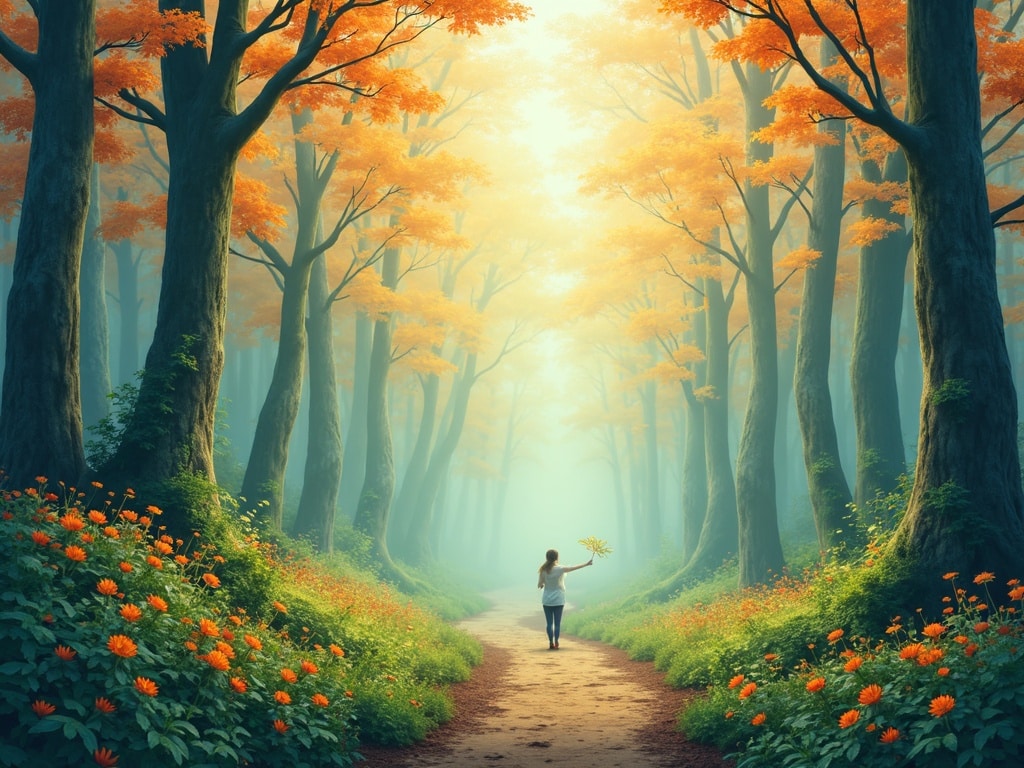
Overcoming Obstacles: Making Nature Accessible
While the benefits of nature are clear, access to green spaces isn’t always equal. Many people, especially those living in urban areas or low-income communities, face significant barriers to accessing nature. It’s important to acknowledge these challenges and work towards making nature more accessible to all.
**Advocating for Green Spaces:Support local initiatives that promote the creation and preservation of parks, gardens, and green spaces in your community. Contact your elected officials and let them know that access to nature is important to you.
**Community Gardens:Participate in or start a community garden. Community gardens provide opportunities for people to grow their own food, connect with nature, and build community bonds. This is one way of using nature for mental clarity.
**Virtual Nature Experiences:While not a replacement for the real thing, virtual nature experiences can provide a temporary escape and a sense of connection to the natural world. Watch nature documentaries, listen to nature sounds, or explore virtual reality nature simulations.
The Long-Term Investment in Mental Well-being
Incorporating nature into your life isn’t just about quick fixes or temporary escapes. It’s about making a long-term investment in your mental well-being. By regularly spending time in nature, you can cultivate resilience, reduce stress, improve cognitive function, and enhance your overall quality of life.
**Building a Nature Habit:Make spending time in nature a regular part of your routine. Schedule it into your calendar, just like you would any other important appointment. Start small and gradually increase the amount of time you spend outdoors.
**Mindful Observation:Cultivate a sense of mindfulness when you’re in nature. Pay attention to your senses and notice the details of your surroundings. This will help you to fully appreciate the beauty and tranquility of the natural world.
**Connecting with Others:Share your love of nature with others. Invite friends or family to join you on hikes, gardening projects, or nature walks. Connecting with others in nature can enhance the experience and create lasting memories.
In conclusion, the simple act of connecting with nature can be a powerful antidote to the stresses and challenges of modern life. Whether it’s a walk in the woods, a gardening session, or simply sitting under a tree, making time for nature is an investment in your mental clarity and overall well-being. So, step outside, breathe deep, and let the healing power of nature work its magic. Embrace using nature for mental clarity.