
Unlocking a Sustainable Future: The Profound Connection Between Energy and Water Savings
Imagine a world where our homes and industries operate with minimal environmental impact, where resources are conserved, and sustainability is more than just a buzzword. This vision hinges on a fundamental understanding: the intimate connection between energy and water. These aren’t separate entities; they are intertwined threads in the fabric of our resource consumption. Saving one inherently saves the other. It’s a powerful synergy waiting to be unleashed.
The Water-Energy Nexus: An Inseparable Bond
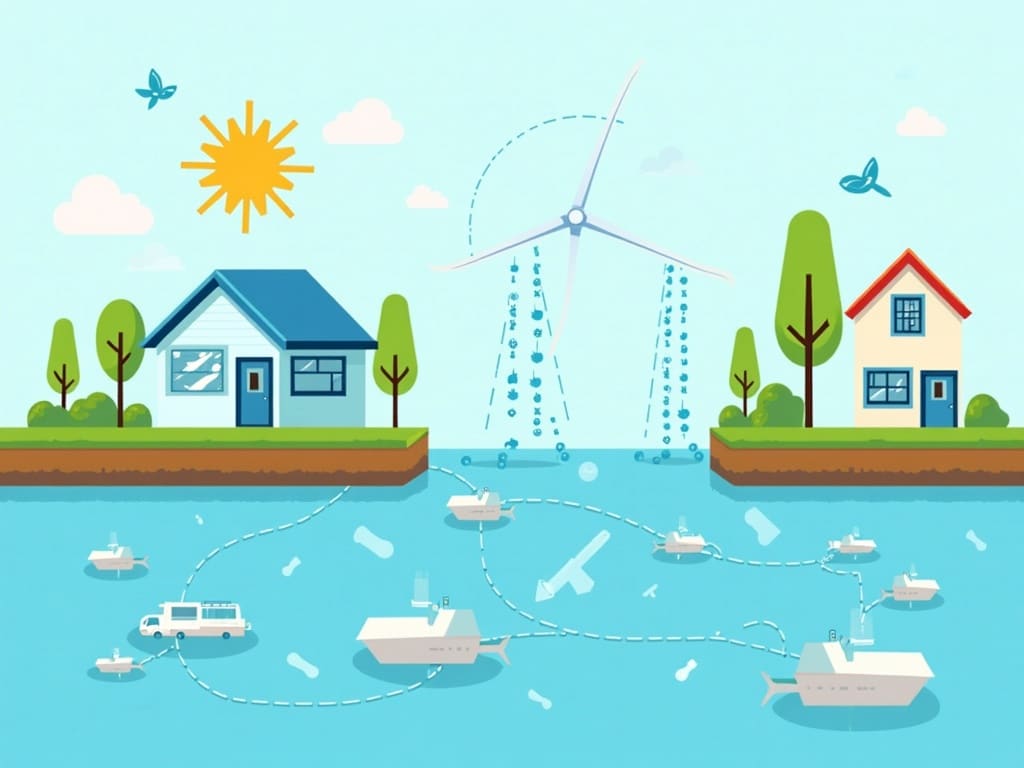
The term water-energy nexus describes this interdependence. It recognizes that water requires energy to be extracted, treated, and distributed, while energy production often relies heavily on water for cooling, hydropower, and fuel production. Let’s delve into the specifics:
- Water for Energy: Power plants, especially thermal power plants, require vast amounts of water for cooling. Hydropower, of course, directly uses water to generate electricity. Even extracting and processing fossil fuels like coal and natural gas demands significant water resources.
- Energy for Water: Pumping water from rivers, aquifers, or reservoirs to treatment plants and then to our homes and businesses requires substantial energy. Wastewater treatment, desalination, and even irrigation systems are all energy-intensive processes.
Understanding this nexus is crucial because it reveals that inefficiencies in one system ripple through to the other. A leaky faucet isn’t just wasting water; it’s also wasting the energy used to treat and deliver that water. Similarly, an inefficient power plant is not only emitting greenhouse gases but also consuming more water than necessary.
Quantifying the Connection: Startling Statistics
The numbers surrounding the water-energy nexus are staggering. Here are a few examples that highlight the scale of this interconnectedness:
- According to the U.S. Environmental Protection Agency (EPA), public water systems and wastewater treatment facilities account for approximately 3-4% of total U.S. energy consumption.
- The California Energy Commission estimates that water-related energy use accounts for nearly 20% of all electricity consumed in the state.
- Desalination, a process used to create freshwater from saltwater, is highly energy-intensive, consuming significantly more energy than traditional water treatment methods.
These figures underscore the magnitude of the challenge and the potential for significant savings if we address both energy and water consumption holistically.
Practical Strategies for Water Savings and Their Energy Benefits
The good news is that numerous strategies can simultaneously reduce water and energy consumption. These solutions range from simple household practices to large-scale industrial innovations.
At Home: Simple Changes, Significant Impact
Our homes are a great place to start making a difference. Small changes in our daily routines can add up to substantial water and energy savings.
- Low-Flow Fixtures: Installing low-flow showerheads, faucets, and toilets dramatically reduces water consumption without sacrificing performance. These fixtures use aerators and other technologies to maintain water pressure while using less water. The EPA’s WaterSense program certifies products that meet specific water efficiency criteria.
- Fix Leaks Promptly: A leaky faucet or toilet can waste gallons of water every day. Repairing leaks immediately prevents water waste and reduces the energy needed to treat and deliver replacement water.
- Efficient Appliances: When purchasing new appliances like washing machines and dishwashers, choose models with high Water Factor (WF) and Energy Factor (EF) ratings. These ratings indicate how efficiently the appliances use water and energy.
- Smart Irrigation: If you have a garden or lawn, use a smart irrigation system that adjusts watering schedules based on weather conditions and soil moisture levels. This prevents overwatering and reduces water waste. Consider using rainwater harvesting to supplement your irrigation needs.
- Shorter Showers: Reducing shower time by just a few minutes can save a significant amount of water and the energy used to heat it.
In Industry: Innovation and Efficiency
Industrial processes often consume large quantities of both water and energy. Implementing water and energy efficiency measures in these sectors can lead to substantial savings and environmental benefits.
- Water Recycling and Reuse: Many industries can recycle and reuse water within their operations. For example, cooling water can be treated and reused for other purposes, reducing the need for fresh water intake and wastewater discharge.
- Optimizing Cooling Systems: Improving the efficiency of cooling systems can significantly reduce water and energy consumption. This can involve upgrading equipment, optimizing operating parameters, and implementing advanced control systems.
- Process Optimization: Reviewing and optimizing industrial processes can often identify opportunities to reduce both water and energy use. This may involve changing production methods, using different materials, or implementing new technologies.
- Wastewater Treatment and Recovery: Advanced wastewater treatment technologies can recover valuable resources, such as nutrients and energy, from wastewater. This not only reduces pollution but also creates new revenue streams.
The Role of Technology and Innovation
Technological advancements are playing a critical role in improving water and energy efficiency. From smart meters to advanced treatment technologies, innovation is driving progress towards a more sustainable future.
- Smart Meters: Smart water meters provide real-time data on water consumption, allowing consumers and utilities to identify leaks and inefficiencies. Smart energy meters offer similar benefits for electricity consumption.
- Advanced Treatment Technologies: Technologies like membrane filtration, reverse osmosis, and advanced oxidation processes are improving the efficiency of water and wastewater treatment, reducing both water loss and energy consumption.
- Renewable Energy Integration: Integrating renewable energy sources, such as solar and wind power, into water and wastewater treatment facilities can reduce their reliance on fossil fuels and lower their carbon footprint.
- Data Analytics and AI: Data analytics and artificial intelligence (AI) can be used to optimize water and energy systems, predict demand, detect anomalies, and improve overall efficiency.
Government Policies and Incentives
Government policies and incentives play a crucial role in promoting water and energy conservation. These policies can encourage individuals, businesses, and municipalities to adopt sustainable practices.
- Regulations and Standards: Establishing water and energy efficiency standards for appliances, buildings, and industries can drive widespread adoption of best practices.
- Incentives and Rebates: Offering financial incentives, such as rebates for purchasing energy-efficient appliances or installing solar panels, can encourage consumers to invest in sustainable technologies.
- Water Pricing: Implementing tiered water pricing structures, where rates increase as consumption rises, can incentivize water conservation.
- Public Awareness Campaigns: Educating the public about the importance of water and energy conservation can promote behavioral changes and increase adoption of sustainable practices.
Case Studies: Success Stories in Action
Numerous communities and organizations have successfully implemented strategies to reduce both water and energy consumption. Here are a few inspiring examples:
- Las Vegas, Nevada: Faced with severe water scarcity, Las Vegas has implemented aggressive water conservation measures, including incentives for turf removal and restrictions on outdoor watering. These efforts have significantly reduced water consumption despite a growing population.
- Orange County, California: The Orange County Water District operates a world-renowned groundwater replenishment system that recycles treated wastewater to recharge the aquifer. This system provides a reliable source of water while reducing the need for imported water and the associated energy costs.
- Xerox: As highlighted on [externalLink insert], Xerox has implemented a comprehensive water management program that has reduced its water consumption by millions of gallons per year. The company has also made significant investments in energy efficiency and renewable energy.
Looking Ahead: A Sustainable Future
The connection between energy and water savings is undeniable. By recognizing this interdependence and implementing strategies to conserve both resources, we can create a more sustainable future. This requires a collective effort from individuals, businesses, governments, and researchers. We must embrace innovation, adopt sustainable practices, and work together to ensure that future generations have access to clean water and affordable energy.
The journey towards sustainability is not a sprint; it’s a marathon. But with each drop of water saved and each kilowatt of energy conserved, we move closer to a world where resources are used wisely, and the environment is protected for generations to come. Let’s embrace the power of the water-energy nexus and unlock a brighter, more sustainable tomorrow.