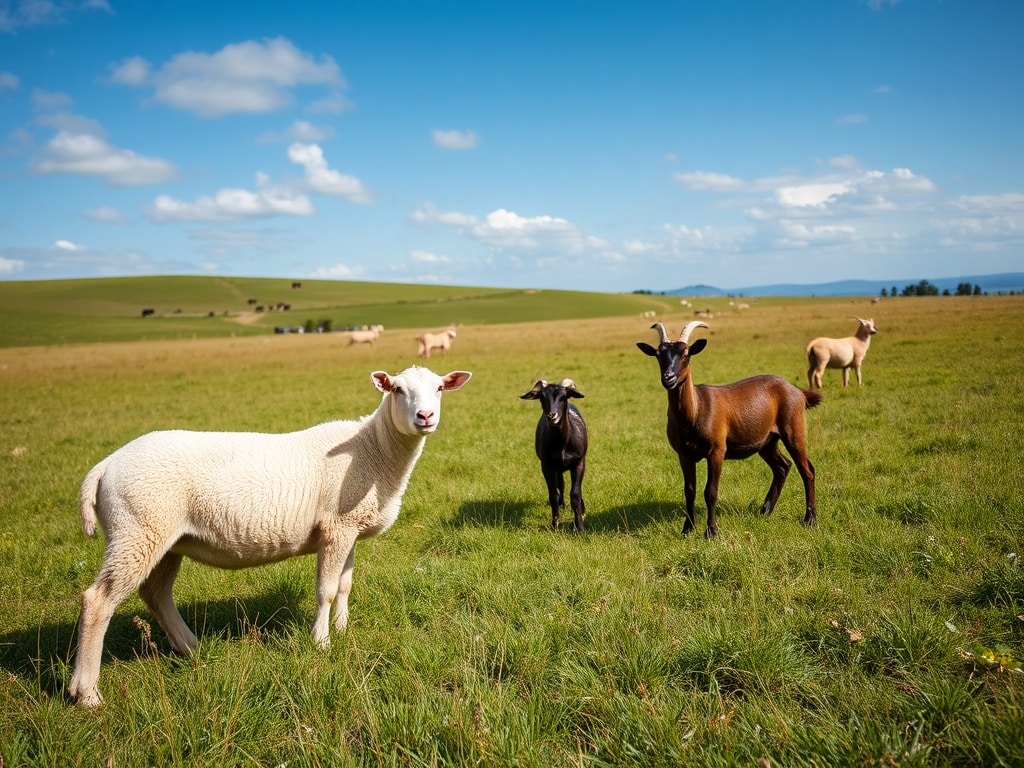
Unlock Livestock Nutrition: Avoid These Beginner Feeding Fails!
So, you’ve taken the plunge into homesteading and welcomed a flurry of feathered, furry, and four-legged friends. Congratulations! But amidst the idyllic scenes of grazing goats and clucking chickens, a critical question looms: Are you truly meeting their nutritional needs? Livestock nutrition basics can be surprisingly complex. Far too often, well-intentioned beginners stumble into common feeding pitfalls that compromise their animals’ health, productivity, and overall well-being. This guide is your roadmap to avoiding those mistakes and unlocking the secrets to thriving livestock, right from the start.
What are Livestock Nutrition Basics and Why are They Important for Beginners?
Understanding livestock nutrition basics isn’t just about throwing feed over the fence. It’s about providing the right balance of nutrients to support growth, reproduction, lactation, and overall health. Neglecting these basics can lead to a cascade of problems, from poor growth rates and weakened immune systems to reproductive issues and even death. For beginners, grasping these fundamentals is the cornerstone of responsible animal husbandry.
What are the core components of a balanced livestock diet?
A balanced livestock diet hinges on six key components:
- Water: Always accessible, clean, and fresh. It’s the foundation of all bodily functions.
- Carbohydrates: Provide energy for daily activities and body temperature regulation. Think of pasture grasses, hay, and grains.
- Proteins: Essential for growth, muscle development, and milk production. Legumes like alfalfa and clover are excellent sources.
- Fats: Another energy source, also vital for hormone production and absorption of fat-soluble vitamins (A, D, E, and K). Found in seeds and some grains.
- Vitamins: Act as catalysts for various bodily processes. Sufficient vitamins are often found in green pasture, but supplemented in feed or through injections if needed, especially during winter.
- Minerals: Crucial for bone development, enzyme function, and overall health. Often deficient in forages, requiring supplementation.
The proportion of each component varies depending on the animal species, age, stage of production (e.g., lactation), and environment. A growing lamb has different nutritional needs than a mature ewe, for example.
Common Beginner Mistake: Inadequate Mineral Supplementation for Goats
Goats are notorious for being picky eaters, especially when it comes to minerals. They often don’t get enough from pasture alone, leading to deficiencies that manifest as poor coat condition, reduced fertility, and a weakened immune system. Many beginners underestimate the importance of providing a free-choice, species-specific goat mineral mix.
How Can a Proper Goat Mineral Mix Prevent Deficiencies?
A high-quality goat mineral mix bridges the nutritional gaps in their diet. Look for a mix specifically formulated for goats, containing adequate levels of copper, selenium, zinc, and other essential trace minerals. These minerals are crucial for various functions:
- Copper: Immune function, coat health, and enzyme activity. Goats require higher levels of copper than sheep (more on that later!).
- Selenium: Muscle function, reproduction, and immune system support. Often deficient in certain geographic areas.
- Zinc: Skin health, hoof integrity, and immune response.
Offer the mineral mix in a covered feeder to protect it from rain and ensure it’s always available. Monitor consumption to get an idea of whether your goats are getting enough.
Beginner Mistake: Ignoring Copper Toxicity in Sheep
Here’s where things get tricky. While goats need copper, sheep are highly susceptible to copper toxicity. They can easily overdose on mineral mixes formulated for other livestock species, leading to liver damage and death. Many beginners, unaware of this critical difference, accidentally poison their sheep by providing the wrong mineral supplement. This is one of the most crucial livestock nutrition basics to understand.
What Management Practices Prevent Copper Overload in Sheep?
Preventing copper toxicity in sheep requires a proactive approach:
- Never offer goats’ mineral supplement to sheep.
- Provide a sheep-specific mineral mix with no added copper.
- Carefully monitor pasture mineral levels if you are concerned about deficiencies. A vet can perform a liver biopsy to assess copper levels.
- Avoid grazing sheep on pastures heavily fertilized with poultry litter, as it can contain high levels of copper.
- Be cautious about feeding sheep commercial feeds formulated for other livestock. Always check the ingredient list and guaranteed analysis.
If you keep both sheep and goats, provide separate mineral feeders in areas where only the intended species can access them. Strategic fencing and feeder placement are key.
Beginner Mistake: Poor Backyard Poultry Nutrition – Focusing Only on Scratch Grains
Ah, chickens! The gateway livestock for many homesteaders. It’s tempting to shower them with scratch grains – a mix of cracked corn and other cereal grains – but this is akin to feeding your children candy all day. Scratch grains are treats, not a complete diet. Exclusive reliance on scratch grains leads to nutritional deficiencies, poor egg production, and sickly birds. Proper backyard poultry nutrition means much more.
What are the Nutritional Needs of Chickens and Ducks Throughout Their Lifecycles?
Poultry nutritional needs vary significantly depending on age and purpose:
- Chicks (0-6 weeks): Require a high-protein (20-22%) chick starter feed to support rapid growth.
- Pullets (6-20 weeks): Transition to a grower feed (16-18% protein) to support continued growth and development.
- Laying Hens (20+ weeks): Need a layer feed (16-18% protein) with added calcium for strong eggshells. Oyster shell can be offered as a supplemental calcium source.
- Ducks: Have slightly different needs than chickens, especially when young. Ducklings need niacin levels typically higher than chick starter provides. Brewer’s yeast added to feed can help. Adult ducks also need more niacin than chickens.
- Meat Birds: Require a high-protein broiler feed to maximize growth rate.
Always provide a balanced, commercial poultry feed appropriate for the bird’s age and purpose. Supplement with limited amounts of treats like scratch grains, vegetable scraps, and mealworms. Ensure grit is always available to aid in digestion, especially if birds don’t free-range.
Beginner Mistake: Neglecting Hay Testing and Quality Assessment
Hay is the cornerstone of winter feeding for many livestock species. However, not all hay is created equal. Nutritional content varies wildly depending on the type of grass, stage of maturity at harvest, and storage conditions. Blindly feeding hay without knowing its nutritional value is like playing nutritional roulette. You might get lucky, but you’re more likely to end up with deficiencies or imbalances.
Why is Hay Testing Crucial for Optimal Livestock Nutrition, especially with Horses, Goats and Sheep?
Hay testing provides a detailed analysis of its nutritional content, including:
- Protein: Essential for growth and reproduction.
- Fiber (ADF & NDF): Affects digestibility and energy availability.
- Energy (TDN): Total Digestible Nutrients – a measure of the hay’s energy content.
- Minerals: Calcium, phosphorus, and other minerals.
With this information, you can accurately balance your animals’ diets and avoid deficiencies or excesses. For example, if your hay is low in protein, you can supplement with a protein-rich feed like alfalfa pellets or soybean meal. For horses, understanding the sugar and starch content (ESC and Starch) is crucial to avoid laminitis. Testing is available through your local extension office or through private labs. The small cost of a test can save you significant expense in the long run.
Beginner Mistake: Improper Feed Ration Calculation for Mixed Species Homesteads
The beauty of a homestead often lies in its diversity. But managing a mixed-species environment presents unique nutritional challenges. A one-size-fits-all approach simply doesn’t work. Feeding the same ration to goats, sheep, chickens, and pigs will inevitably lead to nutritional imbalances and health problems. Each species has unique needs, and neglecting those differences can have serious consequences. Understanding livestock nutrition basics includes being able to apply it in a multi-species environment.
How to Calculate Individual Nutritional Needs in a Multi-Species Environment?
Calculating individual nutritional needs requires a little research and careful planning:
- Identify the specific needs of each species: Consider their age, stage of production, and breed. Consult with a veterinarian or livestock nutritionist for guidance.
- Evaluate your forage: Hay testing, as mentioned earlier, is crucial. Assess pasture quality and availability.
- Design separate feeding plans: Tailor rations to meet the specific needs of each species. Use separate feeders and grazing areas to prevent cross-contamination of feeds.
- Monitor body condition: Regularly assess the body condition of your animals to ensure they’re maintaining a healthy weight. Adjust feed rations as needed.
- Consult with an expert: Don’t hesitate to seek professional advice from a veterinarian or livestock nutritionist. They can help you finetune your feeding program and address any specific challenges you may encounter.
For example, you might offer a high-protein goat feed to your goats, a sheep-specific mineral mix to your sheep, and a balanced layer feed to your chickens. Remember to always provide fresh, clean water to all animals.
How to Recognize Signs of Nutritional Deficiency and Toxicity in Livestock?
Early detection is key to addressing nutritional problems before they become serious. Be vigilant and watch for these common signs:
- Poor growth: Slow or stunted growth in young animals.
- Weight loss: Unexplained weight loss despite adequate feed intake.
- Poor coat condition: Rough, dull, or brittle coat; hair loss.
- Reduced fertility: Difficulty conceiving, low birth rates.
- Weakened immune system: Increased susceptibility to infections.
- Lameness: Joint pain, stiffness, or difficulty walking.
- Diarrhea or constipation: Digestive upset.
- Abnormal behavior: Pica (eating non-food items), lethargy, or aggression.
- Specific signs: Fish hook hair in copper deficient goats, anemia from parasites.
If you notice any of these signs, consult with a veterinarian immediately. They can perform diagnostic tests to identify the underlying cause and recommend appropriate treatment.
What are the Best Practices for Storing Feed to Maintain Nutritional Value?
Even the best-formulated feed can lose its nutritional value if stored improperly. Protect your investment by following these best practices:
- Store feed in a cool, dry place: Protect feed from moisture, sunlight, and extreme temperatures. Excessive heat and humidity can promote mold growth and nutrient degradation.
- Use airtight containers: Store feed in sealed containers to prevent moisture penetration and pest infestations. Metal or plastic bins with tight-fitting lids are ideal.
- Control pests: Implement a pest control program to prevent rodents and insects from contaminating your feed. Keep storage areas clean and tidy.
- Rotate your feed: Use the first in, first out method to ensure that older feed is used before newer feed. This helps prevent spoilage and nutrient loss.
- Properly store hay: Store hay under cover to protect it from rain and snow. Wet hay can mold and become a fire hazard.
Regularly inspect your feed for signs of spoilage, such as mold, discoloration, or foul odor. Discard any feed that appears to be contaminated.
What are Cost-Effective Strategies for Providing Optimal Nutrition for Beginner Livestock Keepers?
Providing optimal nutrition doesn’t have to break the bank. Here are some cost-effective strategies for beginner livestock keepers:
- Maximize pasture utilization: Rotational grazing can improve pasture productivity and reduce the need for supplemental feed.
- Grow your own forage: Consider growing your own hay or pasture crops to reduce feed costs.
- Source local feeds: Buying feed from local farmers or feed mills can often be cheaper than purchasing commercially produced feeds.
- Bulk buying: Save money by purchasing feed in bulk, especially if you have multiple animals.
- Supplement wisely: Focus on providing targeted supplementation to address specific nutritional deficiencies. Avoid unnecessary supplements.
- Reduce waste: Use appropriate feeders to minimize feed wastage. Regularly clean feeders to prevent spoilage.
- Forage analysis: Testing your forage can save money in the long run by targeting exactly what your animals lack.
Mastering livestock nutrition basics is a journey, not a destination. By avoiding these common beginner mistakes and embracing a proactive approach, you can ensure that your animals thrive and your homestead flourishes. So, ditch the nutritional roulette, grab your hay tester, and embark on a path to vibrant, healthy livestock! Happy homesteading!