Off-Grid Water Security: Avoid These Common (and Deadly) Mistakes
Imagine this: the well pump sputters and dies, the rainwater barrels are bone-dry after a prolonged drought, and the creek you relied on has dwindled to a muddy trickle. This isn’t a hypothetical doomsday scenario; it’s a stark reality faced by off-gridders who underestimate the critical importance of comprehensive off-grid water security.
Water is life. It’s a resource many take for granted until it’s gone. For those embracing self-sufficiency, securing a reliable and safe water supply isn’t just a matter of convenience; it’s a matter of survival. This article will delve into the often-overlooked pitfalls that can compromise your water independence, transforming a dream of self-reliance into a desperate struggle. We’ll discuss emergency water storage planning, smart water storage sizing, and crafting the ultimate water backup plan. Let’s make sure you’re not caught off guard when the well runs dry.
Understanding the Multifaceted Nature of Off-Grid Water Security
What does true water security entail, beyond simply having a tank full of water? It’s a holistic approach encompassing source diversity, water quality management, storage strategies, conservation practices, and, crucially, a robust contingency plan. It is all about evaluating your risks. Ask: What is the probability I will lose access to my primary source of water? What is the probability I will experience some sort of contamination?
True off-grid water security is not just about having water; it’s about having access to safe, potable water, consistently and reliably, regardless of external factors. It’s about anticipating potential failures and having backup plans in place. It’s about treating water as the precious, life-sustaining resource it is.
The Peril of Over-Reliance on a Single Water Source
Putting all your eggs in one basket – or, in this case, all your water hopes in a single well – is a recipe for disaster. What happens when that well runs dry, the pump fails, or contamination renders it unusable? Diversity is your shield against these unforeseen events. Consider a layered approach:
- Primary Source: A well, spring, or municipal connection (if applicable).
- Secondary Source: Rainwater harvesting system, a different well on your property, or a surface water source (with appropriate filtration, of course).
- Emergency Storage: Dedicated tanks or containers for long-term reserves.
Each source offers a buffer against the failure of another. Redundancy is key to true water independence.
Neglecting Water Quality Testing and Treatment
Out of sight, out of mind doesn’t apply to water. Just because your water appears clean doesn’t mean it is clean. Off-grid water sources can harbor a host of invisible contaminants, from bacteria and viruses to heavy metals and agricultural runoff. According to the EPA, private well water can contain arsenic, lead, and coliform bacteria. Rainwater, while often perceived as pure, can collect pollutants from the atmosphere and your rooftop. Surface water sources are particularly vulnerable to contamination.
Regular water testing is non-negotiable. Conduct initial comprehensive testing to establish a baseline, then test periodically (at least annually, or more frequently if you suspect contamination) for common offenders in your area. Your local health department or a certified laboratory can provide testing services.
Based on the test results, implement appropriate treatment methods:
- Sediment Filters: Remove particulate matter like sand and silt.
- Carbon Filters: Reduce chlorine, pesticides, and other organic chemicals.
- UV Sterilizers: Kill bacteria, viruses, and other microorganisms.
- Water Softeners: Address hard water issues.
- Reverse Osmosis Systems: Remove a broad spectrum of contaminants, including heavy metals and dissolved salts.
Improper Sizing of Water Storage
Estimating your water needs isn’t a guessing game. It requires a careful assessment of your household’s consumption patterns. Underestimate, and you’ll face shortages during dry spells. Overestimate, and you’ll waste valuable storage space and resources.
Consider these factors when calculating your water storage sizing:
- Number of Occupants: The more people, the more water needed daily.
- Usage Habits: High-efficiency appliances can dramatically reduce consumption. Baths use far more water than showers.
- Climate: Arid climates require more water for irrigation and hydration.
- Gardening and Livestock: These can significantly increase water demand.
- Emergency Buffer: Plan for extended droughts or unexpected events. A three-month supply is a good starting point.
As a starting point, the average person uses between 50-100 gallons of water per day. Multiply that by the number of people in your household and the number of days you want to store water for. Now add a buffer (25-50% more). You can also track your actual usage over a month or two to get a more accurate picture.
For example: A family of four aiming for a three-month (90-day) reserve, using 75 gallons per person per day, would need: 4 people x 75 gallons/person/day x 90 days = 27,000 gallons. Add a 25% buffer: 27,000 x 1.25 = 33,750 gallons. This highlights the planning and investment required for true long-term emergency water storage.
Choosing Inappropriate Storage Containers
Not all containers are created equal. Repurposing food-grade barrels is generally acceptable, but avoid containers that previously held chemicals, pesticides, or other toxic substances, no matter how well you clean them. Even with thorough cleaning, residue can leach into your water, posing a serious health risk.
Opt for food-grade, BPA-free plastic tanks or containers specifically designed for water storage. These are typically made from polyethylene and are resistant to leaching and degradation. Stainless steel tanks are another excellent (though more expensive) option.
Consider the color of your storage containers. Dark colors block sunlight, inhibiting algae growth. Opaque containers are even better.
Forgetting About Water Storage Location & Protection
Where you store your water is as important as what you store it in. Exposure to sunlight promotes algae growth. Extreme temperatures can degrade plastic tanks and affect water quality. Freezing temperatures can cause tanks to crack.
Ideal storage conditions include:
- Darkness: Store tanks in a shaded area or indoors to prevent algae growth.
- Cool Temperatures: Keep water as cool as possible to minimize bacterial growth. Consider burying tanks underground for natural insulation.
- Protection from Freezing: In freeze-prone areas, bury tanks below the frost line or insulate them adequately. Heat tape can provide supplemental protection.
- Accessibility: Ensure easy access for inspection, cleaning, and water retrieval.
Inadequate Water Filtration & Purification Methods
Having a supply of water is only half the battle; ensuring its potability is the other half. Different water sources require different filtration and purification methods. A simple sediment filter might suffice for relatively clean rainwater, but well water or surface water may require more intensive treatment.
Consider a multi-stage filtration system tailored to your specific water source and potential contaminants. This might include:
- Sediment Filter: Removes particulate matter.
- Carbon Filter: Reduces chlorine, volatile organic compounds (VOCs), and other chemicals.
- UV Sterilizer: Kills bacteria, viruses, and other microorganisms. Crucial in practically any water backup plan.
- Ceramic Filter: Removes bacteria, protozoa, and cysts.
For emergency situations, keep a supply of water purification tablets or a portable water filter on hand. These can be lifesavers when your primary filtration system is compromised. Boiling water for one minute is also an effective purification method.
Ignoring Water Conservation Techniques
Conservation isn’t just for environmentalists; it’s a cornerstone of off-grid water security. The less water you use, the longer your supplies will last, and the less strain you’ll place on your resources. Simple strategies can yield significant savings:
- Low-Flow Fixtures: Install low-flow showerheads, faucets, and toilets.
- Efficient Appliances: Use high-efficiency washing machines and dishwashers.
- Shorter Showers: Even shaving a few minutes off your shower time can make a difference.
- Fix Leaks Promptly: A dripping faucet can waste gallons of water per day.
- Water-Wise Landscaping: Choose drought-tolerant plants and use mulch to retain moisture.
- Greywater Systems: Reuse water from showers, sinks, and washing machines for irrigation (where local regulations allow).
By adopting these habits, you can dramatically reduce your water footprint and extend your off-grid water security.
Failing to Rotate Water Regularly
Even properly stored water can degrade over time. Stagnant water can develop unpleasant tastes and odors, and algae or bacteria can proliferate. Regular water rotation is essential to maintain water quality.
The general recommendation is to rotate your stored water every six months to a year. Drain the old water, clean the tank or container, and refill with fresh water. The old water can be used for irrigation or other non-potable purposes.
If you add a small amount of unscented chlorine bleach (follow recommended dosage guidelines) to your stored water, you can extend its shelf life and reduce the frequency of rotation.
Lack of a Contingency Plan for Water Scarcity
What happens if all your best-laid plans go awry? What if your primary and backup water sources fail simultaneously? A robust contingency plan is your last line of defense. Do you have a bug-out plan? Part of that should include natural sources of water you can reach to refill your stores.
Your contingency plan should include:
- Water Rationing Strategies: Establish priorities for water use (drinking and sanitation first) and implement strict rationing measures.
- Alternative Water Sources: Identify nearby creeks, ponds, or lakes that could be used as a last resort (with appropriate filtration and purification).
- Community Resources: Know where to find emergency water supplies in your area (e.g., local fire department, community center).
- Water Collection Methods: Have tarps or other materials on hand to collect rainwater.
Practicing water conservation techniques before a crisis hits will also help you stretch your existing supplies.
Overlooking Legal and Regulatory Requirements
Before you start drilling a well or building a rainwater harvesting system, familiarize yourself with local regulations and permitting requirements. Many areas have restrictions on water rights, well construction, rainwater harvesting, and greywater systems. Ignoring these regulations can result in fines or even legal action.
Contact your local health department, planning department, or water resources agency to learn about the specific rules in your area.
The Importance of Redundancy: Backups for Your Backups
Hope for the best, plan for the worst – and then plan for something even worse than that! Redundancy is the bedrock of true off-grid security. This means creating backups for your backups:
- Multiple Filtration Methods: Have a backup filter on hand in case your primary filter fails. Consider a portable hand-pump filter for emergencies.
- Redundant Pumps: Keep a spare well pump or hand pump in case your primary pump breaks down.
- Backup Power: Ensure you have a backup power source (solar, generator) to run your well pump if the grid goes down.
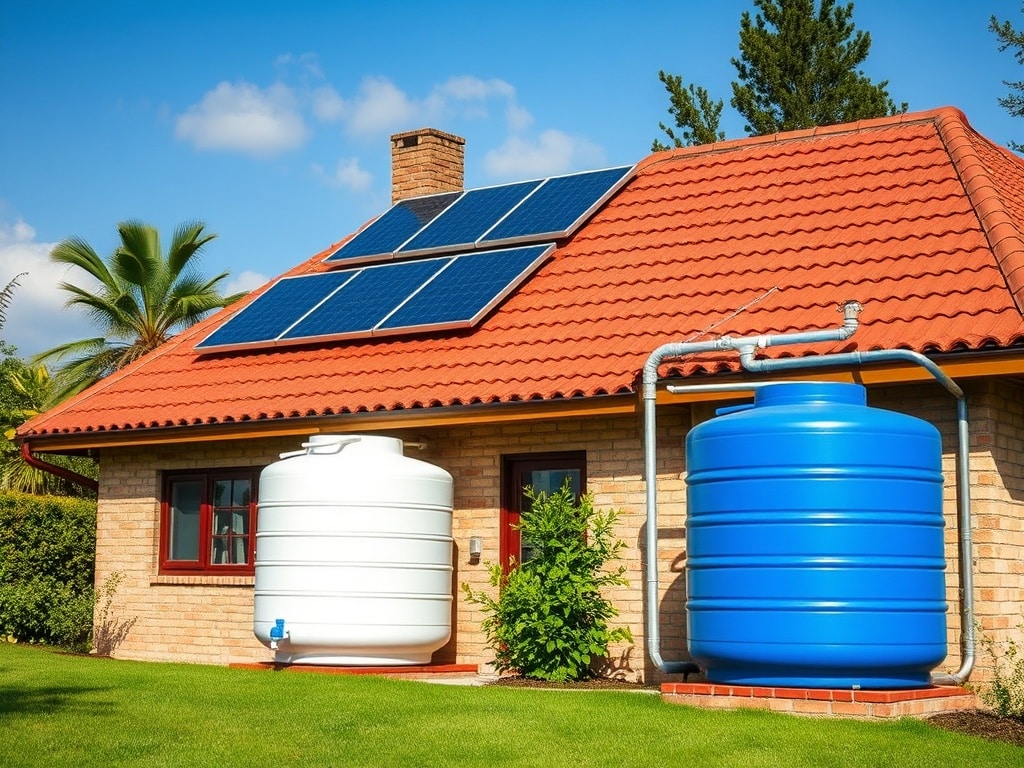
- Diverse Storage Solutions: Don’t rely solely on one large tank. Distribute your water across multiple smaller containers for added security.
- Emergency Water Source: Even if you have a well and rainwater harvesting, identify a nearby spring or creek as a last resort. Know how to safely access and purify that water.
Thinking through these multiple layers of backups will dramatically increase your resilience and peace of mind. The key is to avoid single points of failure – any one thing that, if it breaks, takes down your entire water system.
Conclusion
Off-grid living offers incredible freedom and self-sufficiency, but it demands responsibility and preparedness. Off-grid water security isn’t a luxury; it’s a necessity. By avoiding these common (and potentially deadly) mistakes, you can safeguard your water supply and enjoy the sustainable, independent lifestyle you’ve always dreamed of. Don’t wait until the well runs dry to take action. Start planning your water backup plan today and secure your family’s future.