
Homesteading Family Myths… BUSTED! What You Need to Know Before You Go
The allure of the homesteading life is powerful: fresh air, self-sufficiency, and a connection to the land that seems increasingly rare in our modern world. For many families, the dream of escaping the rat race and embracing a simpler existence is a driving force. But, like any dream, the reality of homesteading can differ significantly from the often-romanticized vision. Before you pack your bags and head for the hills, let’s debunk some common myths about the homesteading family and lay bare the truths you need to know.
Myth #1: Homesteading is Only for Large Families
Busted: While a large family can certainly contribute a lot of labor on a homestead, it’s absolutely not a requirement. Homesteading is about self-sufficiency, regardless of family size. Single individuals, couples, and small families can all successfully homestead. In fact, smaller homesteading families may find it easier to manage resources and make decisions collectively.
Reality: The key is to tailor your homesteading goals to your capabilities. A single person might focus on a large garden and a small flock of chickens, while a couple may expand into larger livestock and more intensive gardening. It’s about working smarter, not just harder. Consider the skills you possess, the time you have available, and the resources you can access. Then, design your homestead accordingly.
Myth #2: Homesteading Can Be Profitable
Busted: While some specialized homesteads can eventually become profitable, most do not generate consistent income without diversification, time, and business planning.
Reality: Think of homesteading as a long-term investment in self-sufficiency and a potential side hustle. You can sell excess produce, eggs, honey, or handmade goods at farmers’ markets or online. Some homesteaders offer workshops or tours of their property. However, be prepared for fluctuating market prices, crop failures, and the unpredictable nature of livestock. Focus on reducing expenses first, and then explore income-generating opportunities as your skills and resources grow.
Myth #3: You Need a Huge Amount of Land to Homestead
Busted: The size of your homestead doesn’t automatically determine its success. You don’t need hundreds of acres to live a self-sufficient lifestyle. Many successful homesteads thrive on just a few acres, or even less!
Reality: The key is efficient land use. Utilize vertical gardening techniques, raised beds, and intensive planting methods to maximize yields in a small space. Choose livestock breeds that are well-suited to smaller areas, such as dwarf goats or bantam chickens. Focus on permaculture principles to create a self-sustaining ecosystem that requires minimal input. Urban homesteading is even possible in many cities, allowing you to grow food and raise small animals within city limits.
Myth #4: Homesteading is Easy and Relaxing
Busted: Homesteading is hard work. Really hard work. It’s physically demanding, mentally challenging, and often involves long hours in all kinds of weather. Relaxing? Sometimes, in short bursts. Easy? Never.
Reality: Be prepared to get your hands dirty. You’ll be spending your days gardening, tending livestock, building structures, preserving food, and managing all the other tasks that come with self-sufficiency. There will be setbacks, failures, and moments of exhaustion. But there will also be immense satisfaction in knowing that you are providing for yourself and your family in a sustainable way. Success comes from resilience, problem-solving skills, and a willingness to learn from your mistakes.
Myth #5: You Need to Be an Expert to Start Homesteading
Busted: Nobody starts out as an expert. Homesteading is a journey of continuous learning and experimentation. You don’t need to know everything before you begin.
Reality: Start small and learn as you go. Focus on mastering one or two skills at a time, such as gardening or raising chickens. Read books, watch online tutorials, attend workshops, and connect with experienced homesteaders in your community. Don’t be afraid to ask for help and admit when you don’t know something. Embrace the learning process and celebrate your small victories along the way.
Myth #6: Homesteading is Always Cheaper Than Conventional Living
Busted: While homesteading can significantly reduce your expenses in the long run, it’s not always cheaper upfront. There are initial investments to consider, such as land, tools, seeds, livestock, and infrastructure.
Reality: It’s essential to create a realistic budget and prioritize your spending. Start by reducing your reliance on store-bought goods and focus on producing your own food. Over time, you can gradually expand your homesteading activities and reduce your expenses further. Consider bartering with other homesteaders for goods and services. Look for used equipment and materials to save money. Be patient and remember that financial self-sufficiency is a gradual process.
Myth #7: You Can’t Homestead if You Have a Full-Time Job
Busted: It’s definitely possible to homestead while working full-time, although it requires careful planning and efficient time management.
Reality: Focus on homesteading activities that can be done in your spare time, such as gardening, raising chickens, or preserving food on weekends. Delegate tasks to family members or hire help when needed. Prioritize automation and efficient systems to minimize your workload. Choose livestock breeds that require minimal care. Start small and gradually expand your homesteading activities as your time allows. Many people transition to full-time homesteading after several years of part-time effort.
Myth #8: Homesteading Means Total Isolation from Society
Busted: While homesteading often involves living in a rural area, it doesn’t necessarily mean complete isolation. You can still maintain connections with friends and family, participate in community events, and access modern amenities.
Reality: Many homesteaders build strong communities with like-minded individuals, sharing skills, resources, and support. Embrace technology to stay connected with the outside world, such as social media, online forums, and video conferencing. Participate in local farmers’ markets, community gardens, and other social activities. Find a balance between self-sufficiency and social engagement to create a fulfilling lifestyle.
Myth #9: Homesteading is Only for Experienced Farmers
Busted: Previous farming experience is helpful, but not essential. Many successful homesteaders come from diverse backgrounds with no prior agricultural knowledge.
Reality: A willingness to learn and adapt is far more important than formal training. Start with basic skills, such as gardening and animal care, and gradually expand your knowledge base. Seek advice from experienced farmers and homesteaders in your area. Attend workshops and conferences to learn new techniques and network with other enthusiasts. Don’t be afraid to experiment and learn from your mistakes.
Myth #10: Homesteading Requires Significant Upfront Investment
Busted: While purchasing land and equipment can be expensive, there are ways to minimize your upfront investment and start homesteading on a budget.
Reality: Consider renting land or starting with a small garden on your existing property. Look for used tools and equipment at auctions, flea markets, and online marketplaces. Build structures yourself using recycled materials or repurposed items. Before investing in livestock, structures, or permanent systems, be sure to research local zoning laws, HOA rules, building codes, and livestock ordinances, as these regulations can significantly limit what is allowed on a given property.
Start with a small flock of chickens or a couple of goats and gradually expand your livestock as your budget allows. Focus on reducing your expenses and maximizing your self-sufficiency to minimize your reliance on external income. There are many creative ways to bootstrap your homesteading journey. Remember it is possible to go off the grid right where you are, providing you own your piece of property, it is not a law that you MUST be connected to the grid.
Myth #11: Homesteading Can Be Done in Any Climate
Busted: While homesteading principles can be adapted to various climates, certain locations are more conducive to self-sufficiency than others. Extreme climates with limited growing seasons or harsh weather conditions can present significant challenges.
Reality: Research the climate and growing conditions in your area before investing in land or livestock. Choose crops and animal breeds that are well-suited to your local environment. Implement climate-appropriate techniques, such as greenhouse gardening, rainwater harvesting, and passive solar heating. Consider the availability of water, sunlight, and other essential resources. Be prepared to adapt your homesteading practices to the unique challenges of your climate.
Myth #12: Homesteading is a Step Back from Modern Conveniences
Busted: Homesteading doesn’t necessarily mean abandoning all modern conveniences. You can still enjoy electricity, running water, and internet access while embracing a more self-sufficient lifestyle.
Reality: The extent to which you embrace modern conveniences is a personal choice. Some homesteaders choose to live completely off-grid, relying on solar power, well water, and composting toilets. Others prefer to maintain some modern amenities while reducing their reliance on conventional systems. Find a balance that suits your needs and preferences. Remember that self-sufficiency is a spectrum, not an all-or-nothing proposition.
Myth #13: Going Off-Grid Means Guessing Your Power Needs
Busted: Many people assume off-grid power systems are built on rough estimates or rule-of-thumb guesses. In reality, properly designed renewable energy systems are based on precise load calculations, usage patterns, and site conditions.
Reality:
The first step in designing a reliable solar, wind, or micro-hydro system is understanding how much electricity you already use. From there, energy production can be sized to meet your actual needs—often through a hybrid system that balances multiple generation sources for efficiency and resilience.
Modern off-grid systems are not about “going without.” They are about right-sizing generation, storage, and redundancy based on real data. Tools that translate household energy use into renewable system requirements can help families avoid both under-building (blackouts) and over-building (wasted money).
To explore how your current energy use could be matched with solar, wind, or hydro—and to see hybrid system options optimized for efficiency—use the UpRooted Greens Renewable Energy Calculator.
Tool Disclosure:
This calculator is intended for educational and planning purposes only. Results are estimates based on user-provided data and generalized performance assumptions. Actual system requirements may vary based on location, climate, equipment selection, site conditions, and local regulations. Readers are encouraged to consult local professionals, utility providers, or qualified installers before making infrastructure or energy system purchases.
Myth #14: Homesteading Guarantees Food Security
Busted: While homesteading can significantly improve your food security, it’s not a foolproof guarantee. Crop failures, livestock diseases, and unexpected events can all disrupt your food supply.
Reality: Diversify your food sources and implement multiple layers of redundancy. Grow a variety of crops, raise different types of livestock, and preserve food through canning, drying, and freezing. Develop a backup plan in case of emergencies. Maintain a well-stocked pantry with non-perishable foods. Build relationships with other farmers and homesteaders in your community to share resources and support each other during challenging times. Food security is an ongoing process that requires vigilance and preparedness.
Myth #15: Homesteading is a Purely Romantic Endeavor
Busted: The romantic vision of homesteading often overlooks the hard work, challenges, and sacrifices involved.
Reality: While there are certainly moments of beauty and joy in homesteading, it’s important to approach it with a realistic mindset. It’s not a fairy tale; it’s a lifestyle choice that requires dedication, resilience, and a willingness to adapt. Be prepared for long hours, physical labor, and unexpected problems. Focus on the practical aspects of homesteading, such as planning, budgeting, and problem-solving, in addition to the romantic ideals.
Myth #16: Raising Livestock on a Homestead is Always Successful
Busted: Raising livestock can be challenging, even for experienced homesteaders. Diseases, predators, and accidents can all lead to losses.
Reality: Research the specific needs of the livestock breeds you plan to raise. Provide adequate shelter, fencing, and healthcare. Implement preventative measures to protect your animals from diseases and predators. Learn how to recognize and treat common illnesses. Be prepared for the emotional challenges of caring for livestock, including the possibility of death or injury. It’s important to approach livestock raising with respect, compassion, and a commitment to providing the best possible care for your animals.
The Homesteading Family: A Rewarding Journey
Homesteading is not a perfect life, but it can be a deeply rewarding one. By debunking these common myths and embracing the realities of self-sufficiency, you and your family can embark on a homesteading journey with confidence and a clear understanding of what lies ahead. So, ditch the romantic fantasies, embrace the challenges, and prepare to build a life that is both meaningful and sustainable.
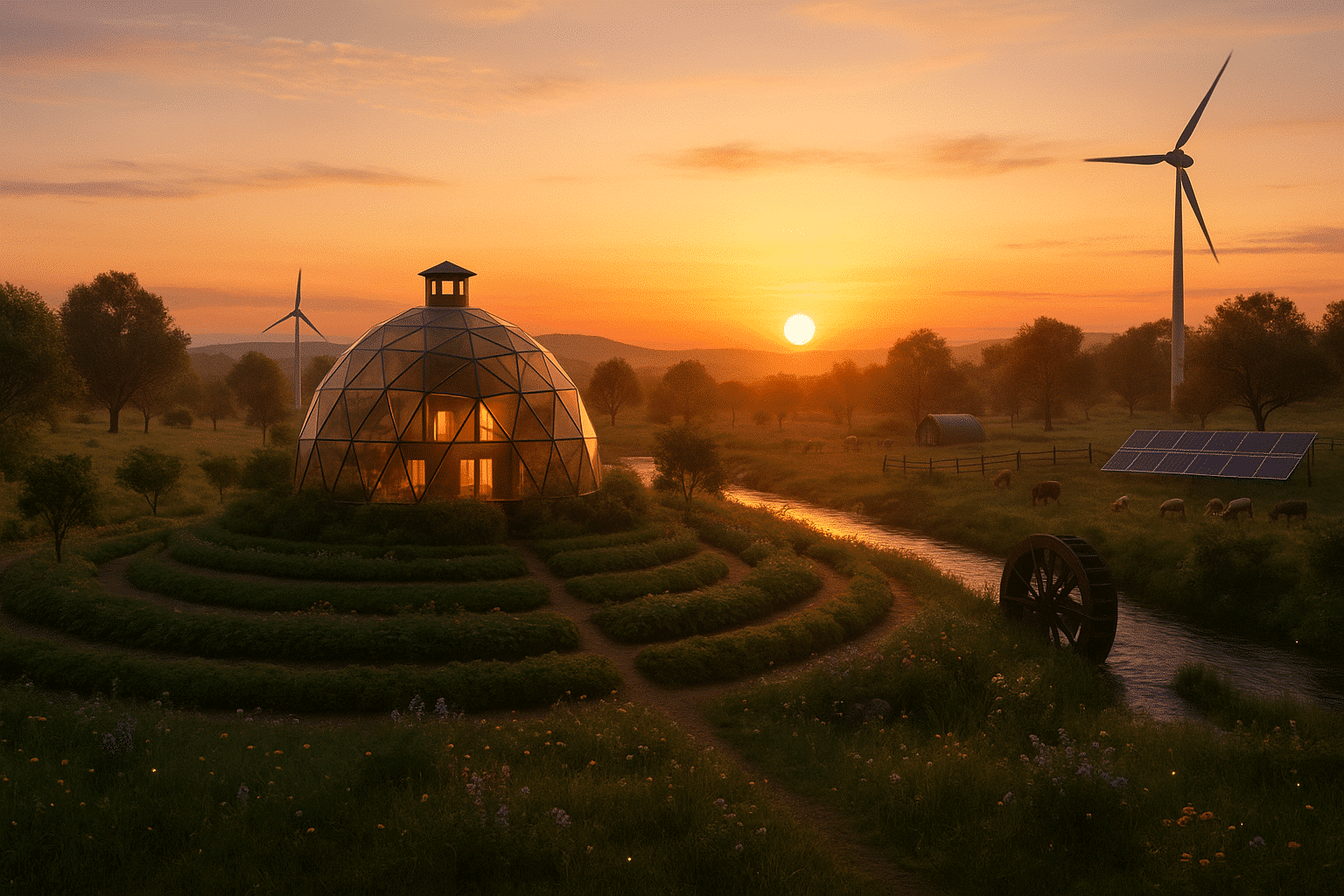
Note: Homesteading feasibility varies by location. Local climate conditions, water availability, zoning laws, building codes, HOA rules, and livestock ordinances may affect what practices are permitted. Readers are encouraged to consult local regulations and extension services when planning homesteading activities.
Further Reading & Trusted Resources
Why These Resources Are Included
The organizations and platforms listed below were selected for their demonstrated commitment to evidence-based education, real-world application, and long-term resilience—combining public research institutions with practitioner-led learning environments to support informed, responsible homesteading decisions.
How to Use These Resources
Begin by exploring the public research and extension resources to understand the scientific, legal, and environmental foundations of homesteading in your region. Use that knowledge to assess feasibility, costs, and constraints. From there, apply those insights through structured planning tools, guided education, and practical system design to turn research into action and build a homestead that fits your land, climate, and lifestyle.
General Homesteading & Sustainable Agriculture
USDA Extension Services
https://extension.org/
A nationwide network of land-grant universities providing region-specific, research-backed guidance on gardening, livestock, soil health, food preservation, and sustainable rural living.
Food and Agriculture Organization of the United Nations (FAO)
https://www.fao.org/home/en
A global authority on agriculture, food systems, sustainability, and food security, offering data-driven research, policy guidance, and technical resources used worldwide.
Small Land Use & Intensive Growing
Rodale Institute
https://rodaleinstitute.org/
A leading research organization focused on organic and regenerative agriculture, soil health, and sustainable food production across diverse land sizes.
Grow BIOINTENSIVE (Ecology Action)
https://www.growbiointensive.org/
A nonprofit organization dedicated to high-yield, resource-efficient food production methods designed for small plots, urban gardens, and ecological resilience.
Homesteading Economics & Farm Viability
USDA Economic Research Service (ERS)
https://www.ers.usda.gov/
Provides authoritative data and economic analysis on farm income, rural livelihoods, small-scale agriculture, and food system trends in the United States.
ATTRA – National Sustainable Agriculture Information Service
https://attra.ncat.org/
A trusted source of practical, research-based guidance on sustainable agriculture, enterprise planning, profitability, soil management, and renewable systems.
Renewable Energy & Off-Grid Power Systems
National Renewable Energy Laboratory (NREL)
https://www.nrel.gov/
The U.S. Department of Energy’s primary research laboratory for renewable energy, offering detailed studies and tools on solar, wind, hydro, storage, and off-grid system design.
International Renewable Energy Agency (IRENA)
https://www.irena.org/
An intergovernmental organization advancing renewable energy adoption globally through policy research, system modeling, and sustainability frameworks.
Livestock Health & Animal Welfare
Merck Veterinary Manual
https://www.merckvetmanual.com/
A comprehensive, peer-reviewed veterinary reference covering livestock health, disease prevention, nutrition, and best-practice animal care.
USDA APHIS – Animal & Plant Health Inspection Service
https://www.aphis.usda.gov/aphis/home/
Provides official guidance on animal health, biosecurity, disease control, and livestock regulations in the United States.
Food Security & Emergency Preparedness
FAO – Food Security & Nutrition Portal
https://www.fao.org/food-security-and-nutrition/en
Offers frameworks and research on food system resilience, household food security, and long-term preparedness strategies.
FEMA – Emergency Preparedness Guidance
https://www.ready.gov/
U.S. government guidance on emergency readiness, food storage, disaster planning, and household resilience.
Climate & Growing Conditions
USDA Plant Hardiness Zone Map
https://planthardiness.ars.usda.gov/
The official climate zone map used to determine plant and crop suitability based on long-term temperature data.
Further Learning & Guided Homesteading Education
UpRooted Greens
https://www.uprootedgreens.com/
An educational platform focused on practical, systems-based self-sufficiency and regenerative homesteading. UpRooted Greens integrates research-informed instruction with real-world application through structured courses, planning tools, calculators, and community support, helping learners translate foundational knowledge into functional food, water, energy, livestock, and off-grid living systems.
Author / Editor Note
This article was developed using publicly available research, agricultural extension guidance, and practitioner-tested homesteading experience. While homesteading methods and outcomes can vary by region, climate, and local regulations, the information presented here is intended to support informed decision-making and realistic planning. Readers are encouraged to consult local extension services, regulatory authorities, and qualified professionals when implementing systems related to land use, energy, livestock, or infrastructure.