HOA Nightmares & Hidden Hacks: Raising Legal Backyard Livestock in Suburbia
Picture this: a freshly laid egg, still warm from the hen, ready to be cracked into your morning omelet. Or the gentle hum of bees, pollinating your vegetable garden and providing you with golden honey. This idyllic scene, once confined to rural farms, is increasingly tempting for suburban dwellers seeking a taste of self-sufficiency. But there’s a catch, a green-lawned, meticulously landscaped obstacle: the Homeowners Association, or HOA. Can you legally raise livestock in your backyard while navigating the minefield of HOA rules?
The answer, as you might suspect, is a resounding it depends. But don’t despair, fellow urban homesteaders. This guide will arm you with the knowledge and strategies to navigate the often-murky waters of HOA regulations, local ordinances, and state laws, all while keeping your feathered (or furry, or buzzing) friends safe, healthy, and, most importantly, legal.
Understanding HOA Restrictions on Livestock
HOAs are the gatekeepers of suburbia, wielding the power to dictate everything from lawn height to mailbox color. So, naturally, they often have strong opinions about animals, especially those deemed livestock. Before you even think about acquiring a chicken or a rabbit, you need to understand the specific rules governing your community.
What are common HOA rules regarding animals?
Most HOAs have rules about pets, usually focusing on dogs and cats. These often include restrictions on the number of animals allowed, leash laws, and noise ordinances. However, many HOAs also address farm animals or livestock, often prohibiting them outright. Common restrictions include:
- Complete bans: No chickens, goats, pigs, or any other animal considered livestock.
- Restrictions on specific animals: Chickens might be allowed (sometimes only hens, no roosters), while larger animals are prohibited.
- Minimum lot size requirements: Livestock may be permitted only on larger properties (e.g., over an acre).
- Setback requirements: Animal enclosures must be a certain distance from property lines.
- Restrictions on breeding or commercial activities: Raising animals for sale might be prohibited.
How can I find my HOA’s specific regulations?
Your HOA’s governing documents are your bible. These documents, which you should have received when you purchased your property, typically include:
- Covenants, Conditions, and Restrictions (CC&Rs): These are the primary rules governing the community.
- Bylaws: These outline the HOA’s structure and operating procedures.
- Rules and Regulations: These are often more specific and can be amended more easily than the CC&Rs.
You can usually find these documents online on your HOA’s website or through your county’s recorder’s office. If you can’t locate them, contact your HOA management company or board of directors. Read these documents carefully, paying close attention to any language related to animals, pets, or livestock. Look for ambiguous terms that might be open to interpretation.
Are there legal challenges to HOA restrictions on livestock?
While HOAs have considerable power, their authority isn’t absolute. Legal challenges to HOA restrictions are possible, but they’re often complex and expensive. Here are some potential arguments:
- Unenforceability: If the HOA hasn’t consistently enforced the rule, it might be deemed unenforceable.
- Reasonableness: A court might find a restriction unreasonable if it’s overly burdensome or doesn’t serve a legitimate purpose.
- Violation of public policy: In some cases, HOA rules that conflict with state laws promoting urban agriculture might be challenged.
However, successfully challenging an HOA restriction is an uphill battle. It’s generally best to try to work with your HOA before resorting to legal action. Consult with an attorney specializing in HOA law to understand your options and the potential risks.
Defining Livestock and Navigating Gray Areas
The devil is in the details, and when it comes to HOAs and animals, the definition of livestock can be a major point of contention. What exactly *is livestock, anyway? And do your backyard chickens really qualify?
What legally constitutes livestock in different jurisdictions?
There’s no single, universally accepted definition of livestock. The term is often defined differently by local, state, and federal laws. Generally, livestock refers to domesticated animals raised for agricultural purposes, such as food, fiber, or labor. Common examples include:
- Cattle
- Pigs
- Sheep
- Goats
- Horses
- Poultry (chickens, ducks, turkeys, geese)
Some jurisdictions may also include rabbits, bees, and even certain types of fish under the umbrella of livestock. It’s crucial to research the specific definitions used in your local ordinances and state agricultural laws.
Do chickens, ducks, bees, or rabbits fall under livestock definitions?
This is where things get interesting. Whether these animals are considered livestock depends on your location. In some areas, chickens and ducks are clearly classified as poultry and therefore livestock. In others, they might be treated differently, especially if they’re kept as pets rather than for commercial purposes. Bees are another gray area. Some states consider them livestock for certain purposes (e.g., disease control), while others don’t. Rabbits can also fall into this ambiguous category.
How can ambiguous language in HOA rules be interpreted?
HOA rules are often written in broad language, leaving room for interpretation. For example, a rule prohibiting farm animals might not explicitly mention chickens. In this case, you could argue that chickens are pets, not farm animals, especially if you’re not raising them for commercial purposes. Similarly, if the rules prohibit livestock, you could argue that your backyard chickens don’t meet the legal definition of livestock in your jurisdiction.
However, be prepared for the HOA to disagree with your interpretation. They may argue that the intent of the rule is to prohibit all animals traditionally associated with farming. If you’re unsure how the HOA will interpret the rules, it’s best to seek clarification from the board or management company before acquiring any animals.
Local Ordinances and State Laws: What Takes Precedence?
HOA rules aren’t the only regulations you need to worry about. Local zoning laws and state agricultural laws can also impact your ability to raise livestock in your backyard. Figuring out which rules take precedence can be a tricky puzzle.
Do local zoning laws permit backyard livestock?
Zoning laws regulate land use within a municipality. They often specify which activities are permitted in different zones (e.g., residential, commercial, agricultural). Some zoning laws may permit backyard chickens or other small livestock in residential areas, while others may prohibit them outright. Check your local zoning ordinances to see if they address livestock or poultry specifically. Look for information on:
- Permitted animals
- Minimum lot size requirements
- Setback requirements
- Restrictions on noise or odor
How do state agricultural laws impact urban/suburban livestock ownership?
Some states have laws that promote urban agriculture, recognizing the benefits of local food production. These laws may preempt local ordinances or HOA rules that restrict backyard livestock. For example, a state law might allow residents to keep a certain number of chickens, regardless of local restrictions. However, these laws often have limitations and requirements, such as mandatory biosecurity measures or restrictions on roosters.
What happens when HOA rules conflict with local or state laws?
Generally, state laws take precedence over local ordinances, and local ordinances take precedence over HOA rules. This means that if a state law allows backyard chickens, an HOA cannot completely ban them. However, the HOA can still impose reasonable restrictions, such as limiting the number of chickens or requiring certain enclosure standards, as long as those restrictions don’t effectively nullify the state law.
Navigating these conflicting regulations can be complex. Consult with an attorney or local government official to understand which rules apply to your situation and how they interact with each other.
Choosing the Right Animals for Suburbia (& Staying Legal)
So, you’ve done your research and determined that you can legally keep some form of livestock in your backyard. Now comes the fun part: choosing the right animals. But not all animals are created equal when it comes to suburban living. Some are more likely to be tolerated (or overlooked) by HOAs and neighbors than others.
Which animals are most likely to be allowed (or overlooked) by HOAs?
Generally, smaller, quieter animals are more likely to be allowed or overlooked. Consider these options:
- Chickens (hens only): Many HOAs are becoming more accepting of backyard chickens, especially if they’re hens (no roosters to crow at dawn).
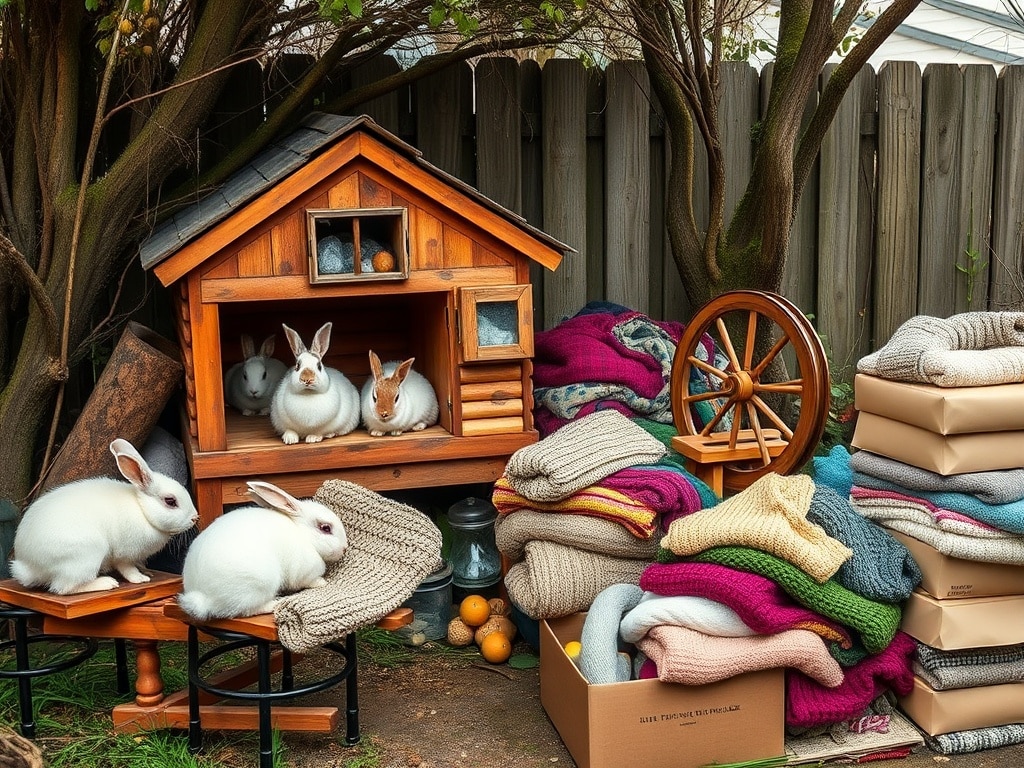
- Dwarf rabbits: Small, quiet rabbits can be kept in hutches and are relatively low-maintenance.
- Bees: Beekeeping is gaining popularity, and many HOAs are starting to recognize the benefits of pollinators.
- Ducks (certain breeds): Some duck breeds are quieter and less messy than others (e.g., Khaki Campbells).
- Coturnix Quail: They are often classified as exotic pets or game birds rather than poultry, allowing them to bypass restrictions that prohibit chickens.
Larger animals like goats, pigs, and sheep are generally prohibited in most suburban HOAs.
What are the space requirements and noise levels of different animals?
Before acquiring any animals, consider their space requirements and noise levels. Overcrowding can lead to health problems and behavioral issues, and noisy animals can annoy your neighbors and attract unwanted attention from your HOA.
- Chickens: Minimum 4 square feet per bird in the coop and 8-10 square feet in the run.
- Rabbits: Minimum 4 square feet per rabbit in the hutch.
- Bees: A single beehive can occupy a small area, but consider the flight path of the bees and potential for stings.
- Ducks: Similar space requirements to chickens, but also need access to water for swimming.
- Coturnix Quail: 1-2 sq ft per bird is the standard for healthy, low-stress environments.
Research the specific needs of each animal before bringing them home. Consider the potential noise levels and how they might impact your neighbors. Ducks, for example, can be surprisingly loud.
How can I minimize the impact of livestock on neighbors?
Being a good neighbor is crucial for successful urban homesteading. Here are some tips for minimizing the impact of your livestock on those around you:
- Keep your animals clean and healthy: Regular cleaning and vaccinations can prevent odors and disease.
- Manage waste properly: Compost manure or use it to fertilize your garden.
- Control noise: Choose quiet breeds and take steps to reduce noise levels.
- Contain your animals: Ensure that your animals are securely enclosed to prevent them from wandering onto neighboring properties.
- Communicate with your neighbors: Talk to your neighbors about your plans and address any concerns they may have. Offer them fresh eggs or honey as a goodwill gesture.
Stealth Livestock: Creative Strategies for Urban Homesteading
Sometimes, the best way to keep livestock in suburbia is to do it discreetly. If your HOA rules are ambiguous or you’re willing to bend the rules a little, you might consider some stealth livestock strategies.
What are some covert ways to keep animals without attracting attention?
The key to stealth livestock is to minimize visibility and noise. Here are some ideas:
- Bantam chickens: These small breeds are quieter and less noticeable than standard chickens.
- Coturnix Quail: Because they are quiet, do not require large coops, they frequently fall outside the scope of municipal agricultural ordinances
- Rabbit tractors: These portable enclosures can be moved around your yard, allowing rabbits to graze on fresh grass while minimizing their impact on any single area.
- Vertical gardening: Use vertical structures to grow food for your animals while concealing their enclosures.
- Camouflaged coops: Design your chicken coop to blend in with your landscaping.
How can I use landscaping and fencing to conceal livestock?
Strategic landscaping and fencing can effectively conceal your livestock from prying eyes. Plant tall shrubs, trees, or vines around your animal enclosures to create a visual barrier. Use solid fencing instead of chain-link to block the view. Consider building a living fence using edible plants like berry bushes.
Are there ways to integrate livestock into existing garden structures?
Integrating livestock into your garden can be a clever way to disguise their presence. For example, you could:
- Build a chicken coop into a garden shed: This can make the coop less conspicuous and provide additional storage space.
- Use a rabbit hutch as a potting bench: Add a countertop to the hutch to create a functional potting area.
- Train vines to grow over your beehive: This can help to conceal the hive and provide shade for the bees.
Remember, the goal is to make your livestock blend in with your surroundings so that they don’t attract unwanted attention.
Building a Case: Appealing to Your HOA Board
If you want to keep livestock openly and legally, you’ll need to convince your HOA board. This requires careful planning, persuasive arguments, and a willingness to compromise.
How can I gather support from neighbors for keeping livestock?
Before approaching the HOA, gauge your neighbors’ opinions. Talk to them about your plans and address any concerns they may have. Emphasize the benefits of backyard livestock, such as fresh eggs, natural pest control, and community building. Ask for their support in writing. A petition signed by your neighbors can significantly strengthen your case.
What are effective arguments for convincing the HOA board?
Prepare a well-reasoned presentation for the HOA board. Focus on the following arguments:
- Compliance with local and state laws: If your plans comply with all applicable laws, emphasize this fact.
- Minimal impact on the community: Show how you will minimize noise, odor, and other potential disruptions.
- Benefits for the community: Highlight the positive aspects of backyard livestock, such as fresh eggs for neighbors, natural pest control, and educational opportunities for children.
- Responsible animal husbandry practices: Demonstrate that you are committed to providing humane and responsible care for your animals.
- Precedent in other communities: Research other HOAs that allow backyard livestock and present these examples to the board.
How can I propose modifications to HOA rules regarding livestock?
Be prepared to propose modifications to the HOA rules regarding livestock. Suggest specific, reasonable restrictions that will address the board’s concerns while still allowing you to keep your animals. For example, you could propose a limit on the number of chickens, a ban on roosters, or specific enclosure standards.
Remember, compromise is key. Be willing to negotiate and find solutions that work for both you and the HOA.
Biosecurity and Responsible Animal Husbandry in Urban Settings
Keeping livestock in an urban environment requires extra attention to biosecurity and responsible animal husbandry. You need to protect your animals, your neighbors, and yourself from potential health risks.
How can I prevent diseases and parasites from spreading to other animals or people?
Implement a strict biosecurity protocol to prevent the spread of diseases and parasites. This includes:
- Quarantining new animals: Isolate new animals for at least 30 days before introducing them to your existing flock.
- Regular health checks: Monitor your animals for signs of illness and consult with a veterinarian as needed.
- Vaccinations: Vaccinate your animals against common diseases.
- Parasite control: Regularly treat your animals for parasites, such as mites, lice, and worms.
- Rodent control: Implement a rodent control program to prevent the spread of disease.
What are the best practices for waste management in a small backyard?
Proper waste management is essential for controlling odor and preventing the spread of disease. Compost manure or use it to fertilize your garden. Clean animal enclosures regularly and dispose of waste properly. Consider using a deep litter system in your chicken coop to reduce the frequency of cleaning.
How can I ensure the humane treatment of livestock in a suburban environment?
Provide your animals with adequate space, food, water, and shelter. Protect them from extreme weather conditions. Handle them gently and provide them with opportunities to express their natural behaviors. If you’re unable to provide proper care for your animals, find them a new home.
The Long-Term Game: Changing HOA Rules from Within
If you’re passionate about backyard livestock, consider playing the long game and working to change HOA rules from within. This requires patience, persistence, and a willingness to get involved.
How can I become a member of the HOA board?
Attend HOA meetings and express your interest in serving on the board. Familiarize yourself with the HOA’s bylaws and election procedures. Campaign for a position on the board by talking to your neighbors and sharing your vision for the community.
What strategies can I use to gradually change attitudes toward livestock?
Once you’re on the board, use your position to educate your fellow members about the benefits of backyard livestock. Share articles, studies, and success stories from other communities. Organize workshops or demonstrations on responsible animal husbandry. Invite experts to speak at HOA meetings.
How can I advocate for more sustainable and community-oriented HOA policies?
Advocate for policies that support sustainable living and community building. This could include allowing community gardens, promoting water conservation, or encouraging the use of renewable energy. Show how backyard livestock can contribute to these goals.
DIY Projects and Space-Saving Solutions for Urban Livestock
Maximize your space and save money with DIY projects and space-saving solutions for your urban livestock.
What are some easy and affordable DIY projects for chicken coops, rabbit hutches, or bee hives?
There are countless DIY plans available online for building chicken coops, rabbit hutches, and beehives. Use recycled materials whenever possible to save money and reduce waste. Consider building a mobile chicken coop or rabbit tractor that can be moved around your yard.
How can I maximize space in a small backyard for livestock?
Use vertical space to maximize your growing area. Build vertical gardens, hanging planters, or tiered raised beds. Utilize every nook and cranny of your yard. Consider using a stacked rabbit hutch or a multi-level chicken coop.
What vertical gardening techniques can be used to grow food for animals?
Use vertical gardening techniques to grow food for your animals in a small space. Plant climbing beans, cucumbers, or squash on trellises or fences. Grow leafy greens and herbs in hanging baskets or stacked planters. Use a vertical tower garden to grow a variety of fruits, vegetables, and herbs.
Case Studies: Success Stories of Legal Backyard Livestock in HOAs
Be inspired by the success stories of others who have successfully kept livestock in HOA communities.
Are there examples of people who have successfully kept livestock in HOA communities?
Yes, there are many examples of people who have successfully kept livestock in HOA communities. Search online for articles and blog posts about urban homesteaders who have navigated HOA rules and regulations.
What strategies did they use to overcome obstacles?
Common strategies include:
- Communication: Talking to neighbors and HOA board members about their plans.
- Compromise: Being willing to negotiate and find solutions that work for everyone.
- Education: Sharing information about the benefits of backyard livestock.
- Compliance: Following all applicable laws and regulations.
What lessons can be learned from their experiences?
The main lessons learned are: research your local laws and HOA rules carefully, communicate with your neighbors, be willing to compromise, and be a responsible animal owner.
Raising legal backyard livestock in suburbia requires careful planning, research, and communication. By understanding your HOA rules, local ordinances, and state laws, you can increase your chances of success. Choose the right animals, practice responsible animal husbandry, and be a good neighbor. With patience and persistence, you can enjoy the benefits of urban homesteading while maintaining a harmonious relationship with your community.