
Essential Gardening Tools for Beginners: Grow with Confidence
Imagine the satisfaction of snipping fresh herbs from your own garden to season tonight’s dinner, or the joy of gifting a bouquet of flowers you nurtured from tiny seeds. Gardening, whether it’s a sprawling backyard plot or a humble collection of pots on a balcony, connects us to nature, reduces stress, and provides tangible rewards for our efforts. But where do you even begin? Fear not, aspiring green thumb! This guide will equip you with the essential gardening tools for beginners, setting you up for success and enjoyment.
The Foundational Five: Must-Have Tools for Every Gardener
Before you get swept away by the allure of specialized tools, focus on acquiring these five fundamental items. They will cover most basic gardening tasks and provide a solid foundation for your gardening journey.
1. Hand Trowel: Your Digging Companion
The hand trowel is arguably the most versatile tool in a beginner’s arsenal. It’s a small, hand-held tool with a pointed, scoop-shaped blade used for digging small holes, transplanting seedlings, and mixing soil in containers. Look for a trowel with a comfortable handle (ergonomic designs are a plus!) and a sturdy blade made of stainless steel to resist rust.
2. Hand Fork: Taming the Soil
Think of the hand fork as the trowel’s trusty sidekick. This small, hand-held tool resembles a miniature pitchfork, with tines used for loosening soil, aerating compacted areas, and weeding. It’s particularly useful for breaking up clumps of soil in pots or raised beds, making it easier for roots to penetrate and thrive.
3. Pruning Shears: The Sculptor’s Choice
Pruning shears, also known as secateurs, are essential for maintaining the health and shape of your plants. They are used for trimming stems, removing dead or diseased foliage, and shaping shrubs and flowers. There are two main types: bypass pruners and anvil pruners. Bypass pruners, which make a clean, scissor-like cut, are generally preferred for most gardening tasks.
4. Gardening Gloves: Your Protective Shield
Gardening can be a dirty business, and protecting your hands is crucial. Gardening gloves shield your skin from thorns, sharp objects, and potential irritants in the soil. Choose gloves that fit well and allow for dexterity. Leather gloves offer excellent protection, while nitrile-coated gloves provide a good balance of protection and flexibility.
5. Watering Can or Garden Hose: The Elixir of Life
Water is essential for plant life. A watering can is ideal for gently watering seedlings and containers, while a garden hose provides more efficient watering for larger areas. Consider a hose with an adjustable nozzle to control the water pressure and spray pattern. When selecting a watering can, opt for one that is comfortable to carry and pour.
Expanding Your Toolkit: Helpful Additions for Specific Tasks
Once you’ve mastered the basics with the foundational five, consider adding these tools to your collection to tackle more specific gardening tasks.
1. Garden Shovel: For Bigger Digs
While the hand trowel is perfect for small jobs, a garden shovel is necessary for moving larger quantities of soil, digging planting holes for trees and shrubs, and turning over garden beds. Choose a shovel with a sturdy handle and a sharp, durable blade.
2. Garden Rake: Smoothing and Leveling
A garden rake is used for smoothing soil, removing debris, and leveling garden beds before planting. There are two main types: leaf rakes and garden rakes. A garden rake, with its sturdy metal tines, is best suited for soil preparation.
3. Weeding Tools: Conquering Unwanted Guests
Weeds can quickly overrun a garden, competing with your plants for valuable resources. Several specialized weeding tools can help you keep them at bay. A weeding fork is useful for removing weeds with deep taproots, while a scuffle hoe is effective for cutting off weeds at the soil surface.
4. Garden Knife or Hori-Hori: The Multi-Tasker
A hori-hori is a Japanese gardening knife with a sharp, often serrated blade. It can be used for a variety of tasks, including digging, weeding, transplanting, and dividing plants. Its versatility makes it a favorite among many gardeners.
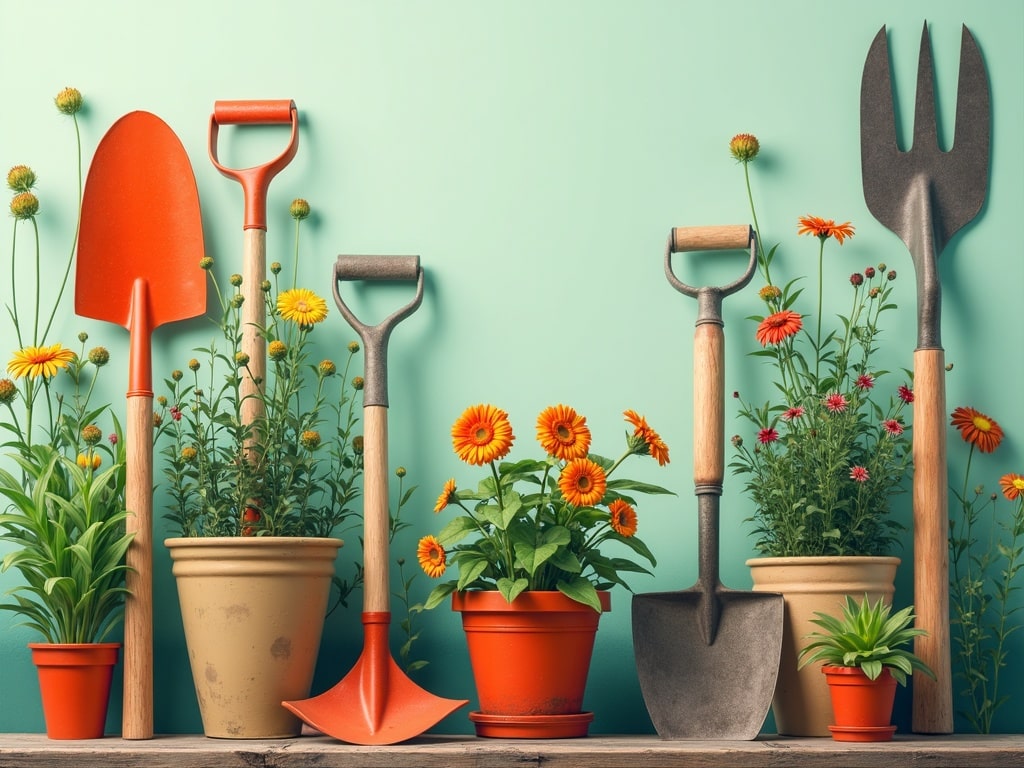
5. Wheelbarrow or Garden Cart: Hauling Heavy Loads
Moving soil, compost, and other heavy materials around the garden can be back-breaking work. A wheelbarrow or garden cart makes these tasks much easier. Choose a wheelbarrow or cart that is appropriately sized for your needs and has sturdy wheels for easy maneuverability.
Choosing Quality Tools: Investing in Longevity
When purchasing gardening tools, resist the temptation to opt for the cheapest options. Investing in high-quality tools will save you money in the long run, as they will last longer and perform better. Look for tools made from durable materials such as stainless steel, forged steel, and hardwood. A well-maintained tool can last for many years.
Material Matters: Steel vs. Plastic
The material of your gardening tools significantly impacts their durability and performance. Stainless steel is an excellent choice for tools that come into contact with soil, as it resists rust and corrosion. Forged steel is incredibly strong and durable, making it ideal for tools that require heavy-duty use. Plastic tools are lightweight and inexpensive but may not be as durable as their metal counterparts.
Handle with Care: Ergonomics and Comfort
Gardening can be physically demanding, so choosing tools with comfortable handles is essential. Look for handles that are ergonomically designed to reduce strain on your hands and wrists. Cushioned grips can also provide added comfort.
Tool Maintenance: Extending the Lifespan of Your Investments
Properly maintaining your gardening tools will extend their lifespan and ensure they perform optimally. After each use, clean your tools with water to remove soil and debris. Dry them thoroughly to prevent rust. Sharpen blades regularly to maintain their cutting efficiency. Store your tools in a dry place to protect them from the elements. Applying a light coat of oil to metal parts can also help prevent rust.
Cleaning and Sharpening: A Regular Ritual
Make cleaning and sharpening your gardening tools a regular part of your gardening routine. Use a wire brush to remove stubborn soil and debris. Sharpen blades with a sharpening stone or file. With regular maintenance, your tools will remain in top condition for years to come.
Storage Solutions: Keeping Tools Organized and Accessible
Properly storing your gardening tools will protect them from damage and make them easier to find when you need them. A garden shed or garage is ideal for storing tools, but if you don’t have access to either, consider using a storage container or hanging tools on a wall. Organize your tools so that they are easily accessible and prevent clutter.
Beyond the Basics: Specialized Tools for Ambitious Gardeners
As you become more experienced and your gardening interests expand, you may want to add specialized tools to your collection. These tools are designed for specific tasks and can greatly enhance your gardening capabilities.
1. Soil Testers: Decoding Your Garden’s Chemistry
Understanding your soil’s pH and nutrient levels is crucial for optimal plant growth. Soil testers allow you to analyze your soil and determine its specific needs. This information can help you choose the right fertilizers and amendments to create a healthy growing environment.
2. Seed Starting Kits: Nurturing Life from the Beginning
If you want to get a head start on the growing season, consider using a seed starting kit. These kits typically include seed trays, a growing medium, and a humidity dome. Seed starting kits allow you to germinate seeds indoors and transplant them into your garden once the weather warms up. You can find great options online, such as through [externalLink insert].
3. Compost Tumblers: Turning Waste into Treasure
Composting is a great way to recycle yard waste and create nutrient-rich soil amendments for your garden. Compost tumblers make composting easier and more efficient. They allow you to easily turn and aerate the compost, accelerating the decomposition process.
Embrace the Journey: Gardening is a Learning Experience
Gardening is a journey of continuous learning and discovery. Don’t be afraid to experiment with different techniques and tools to find what works best for you. Join a local gardening club or online forum to connect with other gardeners and share tips and advice. Most importantly, have fun and enjoy the process of nurturing life from the soil. With the right tools and a little dedication, you can create a thriving garden that brings joy and satisfaction for years to come.