
Cultivating Connection: How Urban Homesteading Communities are Re-Defining City Living
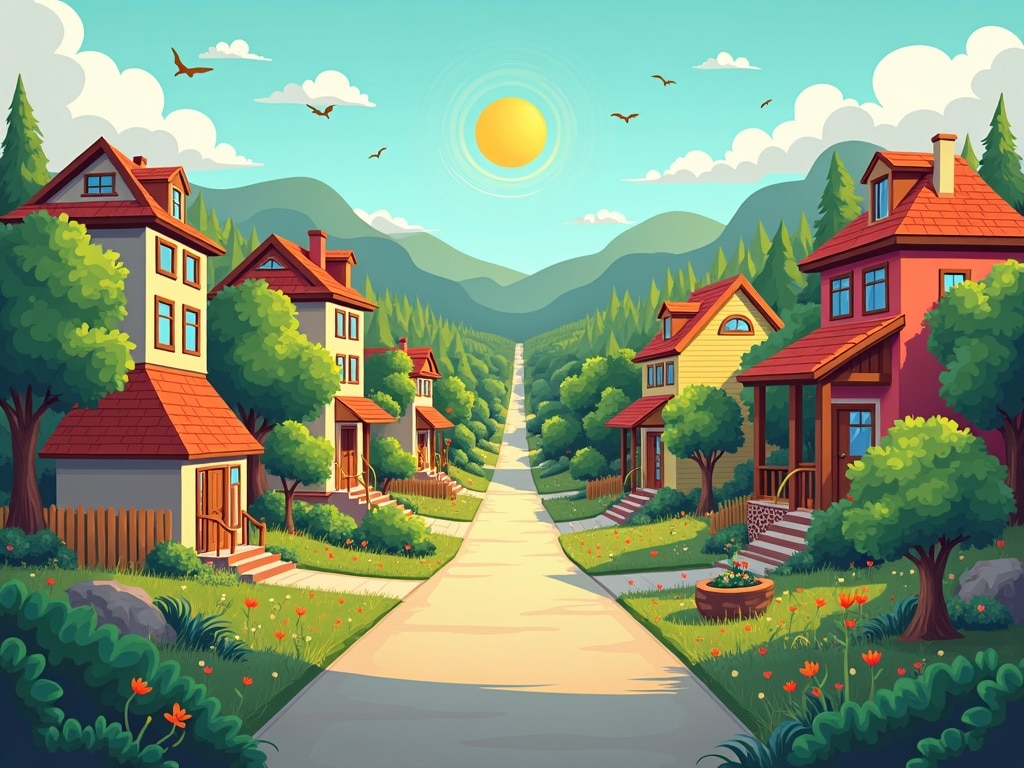
Imagine a city block where front lawns have been replaced with vibrant vegetable gardens, where chickens cluck contentedly in backyard coops, and where neighbors gather regularly to share freshly baked bread and jars of homemade jam. This isn’t a pastoral fantasy; it’s the reality for a growing number of people embracing the principles of urban homesteading within thriving communities. These communities are more than just collections of gardeners; they are powerful engines of social connection, resilience, and sustainable living in an increasingly urbanized world.
What is Urban Homesteading?
Urban homesteading is the practice of adopting self-sufficiency principles within an urban environment. It’s about reclaiming agency over your food, your resources, and your connection to nature, even within the concrete jungle. This can encompass a wide range of activities:
- Growing your own food: From rooftop gardens to community plots, urban homesteaders are finding creative ways to cultivate fruits, vegetables, and herbs in limited spaces.
- Raising animals: Chickens, bees, and even rabbits are becoming increasingly common sights in urban backyards, providing fresh eggs, honey, and sometimes meat.
- Conserving resources: Rainwater harvesting, composting, and energy-efficient practices are all integral to the urban homesteading lifestyle.
- DIY and crafting: From soap making to furniture building, urban homesteaders are embracing traditional skills and reducing their reliance on mass-produced goods.
- Sharing and bartering: Building community through the exchange of goods, skills, and knowledge is a cornerstone of the urban homesteading movement.
But urban homesteading is more than just a collection of individual practices. It’s often deeply rooted in a sense of community, a desire to connect with like-minded individuals, and a shared commitment to creating a more sustainable and resilient way of life. That’s where the urban homesteading community comes in.
The Power of Community: Why Urban Homesteading Thrives Together
While it’s certainly possible to practice urban homesteading in isolation, the benefits of joining or forming a community are immense. These communities provide:
- Shared knowledge and skills: Learning from experienced homesteaders can significantly shorten the learning curve and prevent costly mistakes. Workshops, demonstrations, and informal mentoring are common features of these communities.
- Emotional support and encouragement: Let’s face it, urban homesteading can be challenging. A supportive community can provide the encouragement needed to overcome setbacks and stay motivated.
- Resource sharing: From tools and equipment to seeds and seedlings, communities can pool resources and make them accessible to all members.
- Increased resilience: By working together, communities can better withstand economic downturns, natural disasters, and other challenges.
- Social connection: In an increasingly isolated world, urban homesteading communities offer a much-needed sense of belonging and connection.
Think of it like this: trying to learn how to can tomatoes for the first time can be daunting. But doing it alongside a group of seasoned canners, sharing tips and tricks (and maybe a glass of wine!), transforms the task from a chore into a celebration.
Examples of Thriving Urban Homesteading Communities
Across the globe, urban homesteading communities are taking root and flourishing. Here are just a few examples:
- Detroit, Michigan: Faced with economic hardship and urban decay, Detroit has become a hotbed of urban agriculture and homesteading. Organizations like Keep Growing Detroit support a network of community gardens and urban farms, empowering residents to grow their own food and revitalize their neighborhoods.
- Portland, Oregon: With its strong emphasis on sustainability and local food, Portland is home to numerous urban homesteading communities. These communities often organize workshops, potlucks, and skill-sharing events.
- Vancouver, British Columbia: Vancouver’s urban farming initiatives and supportive city policies have fostered a vibrant urban homesteading scene. Community gardens thrive, and residents are encouraged to keep chickens and bees in their backyards.
- Online Communities: The rise of the internet has enabled the formation of virtual urban homesteading communities. These online forums, social media groups, and websites connect homesteaders from around the world, providing a platform for sharing information, asking questions, and offering support.
These examples demonstrate that urban homesteading communities can take many forms, from formal organizations to informal networks of neighbors. The key is a shared commitment to self-sufficiency, sustainability, and community building.
Getting Started: How to Find or Create Your Own Urban Homesteading Community
Whether you’re a seasoned homesteader or just starting out, finding or creating an urban homesteading community can be a rewarding experience. Here are some tips to get you started:
Finding an Existing Community
- Search online: Use search engines and social media to look for urban homesteading groups in your area.
- Check with local organizations: Community gardens, farmers’ markets, and environmental organizations may be connected to urban homesteading communities.
- Attend local events: Look for workshops, potlucks, and other events related to sustainable living and urban agriculture. These events are often great opportunities to meet like-minded people.
- Visit local nurseries and farms: These businesses often serve as hubs for the urban homesteading community.
Creating Your Own Community
- Start small: Begin by connecting with a few neighbors who share your interest in urban homesteading.
- Organize a potluck or gathering: This is a great way to break the ice and start building relationships.
- Share your skills and knowledge: Offer to teach a workshop or lead a demonstration on a homesteading skill.
- Create a shared garden or project: Working together on a tangible project can strengthen community bonds.
- Use online tools: Create a social media group or online forum to facilitate communication and coordination.
Regardless of how you choose to connect, remember that building a thriving community takes time and effort. Be patient, be open-minded, and be willing to share your knowledge and resources.
Challenges and Considerations
While urban homesteading communities offer numerous benefits, it’s important to be aware of the challenges and considerations involved:
- Zoning regulations: Many cities have zoning regulations that restrict certain homesteading activities, such as raising livestock. It’s important to research and comply with local laws.
- Space limitations: Urban dwellers often have limited space for gardening and other homesteading activities. Creative solutions, such as vertical gardening and rooftop farming, may be necessary.
- Time commitment: Urban homesteading requires a significant time commitment. It’s important to be realistic about how much time you can dedicate to these activities.
- Conflicts and disagreements: As with any community, conflicts and disagreements can arise. It’s important to have clear communication and conflict resolution mechanisms in place.
- Accessibility and inclusivity: Ensure that your community is welcoming and accessible to people of all backgrounds and abilities.
Addressing these challenges requires open communication, collaboration, and a willingness to compromise.
The Future of Urban Homesteading Communities
As cities continue to grow and face increasing environmental and social challenges, urban homesteading communities are poised to play an increasingly important role. By fostering self-sufficiency, resilience, and connection, these communities offer a powerful model for sustainable urban living. Furthermore, the principles of urban homesteading can extend beyond the individual and impact broader community development.
As more people seek to reconnect with nature, reduce their environmental footprint, and build stronger communities, we can expect to see a continued growth and evolution of the urban homesteading movement. The future of our cities may very well depend on our ability to cultivate connection, one garden, one chicken coop, and one shared skill at a time. This movement, at its heart, is about reclaiming our connection to the land and to each other, right in the heart of our cities. Take a look at [externalLink insert] for inspiration.