
Creating a Non-Toxic Home Environment: A Guide to Healthier Living
Imagine your home as a sanctuary, a place where you can truly relax and rejuvenate. But what if the very air you breathe, the surfaces you touch, and the products you use are subtly undermining your health and well-being? Creating a non-toxic home environment is about more than just aesthetics; it’s about cultivating a space that actively supports your health and protects you and your family from harmful chemicals.
Why a Non-Toxic Home Matters
In today’s world, we are constantly exposed to a cocktail of synthetic chemicals found in everyday products – from cleaning supplies and furniture to personal care items and building materials. While each individual exposure may seem small, the cumulative effect of these toxins can be significant, contributing to a range of health problems. These can include:
- Respiratory Issues: Allergies, asthma, and other respiratory ailments can be exacerbated by volatile organic compounds (VOCs) released from paints, adhesives, and air fresheners.
- Hormone Disruption: Endocrine-disrupting chemicals (EDCs) like phthalates and BPA can interfere with the body’s hormonal balance, potentially leading to reproductive problems, developmental issues, and certain cancers.
- Skin Sensitivities and Allergies: Harsh chemicals in cleaning products and personal care items can irritate the skin, causing rashes, eczema, and allergic reactions.
- Neurological Effects: Some toxins, like lead and mercury, can have detrimental effects on the nervous system, impacting cognitive function, behavior, and development.
- Increased Risk of Chronic Diseases: Long-term exposure to certain environmental toxins has been linked to an increased risk of chronic diseases like cancer, heart disease, and autoimmune disorders.
Creating a non-toxic home isn’t just a trend; it’s a proactive step towards safeguarding your health and building a more sustainable future for generations to come.
Step-by-Step Guide to Detoxifying Your Home
Embarking on the journey to a non-toxic home can feel overwhelming, but it doesn’t have to be. By taking small, manageable steps, you can gradually transform your living space into a haven of health and well-being. Here’s how to get started:
1. Identify Potential Sources of Toxins
The first step is to identify the potential sources of toxins lurking in your home. Common culprits include:
- Cleaning Products: Conventional cleaners often contain harsh chemicals like bleach, ammonia, and synthetic fragrances.
- Personal Care Products: Shampoos, lotions, cosmetics, and other personal care items can be loaded with parabens, phthalates, and synthetic fragrances.
- Furniture and Flooring: Many furniture pieces and flooring materials are treated with flame retardants, stain repellents, and formaldehyde-based adhesives.
- Paints and Finishes: Traditional paints and finishes can release VOCs into the air for years after application.
- Air Fresheners and Scented Candles: These products often contain synthetic fragrances and other chemicals that can irritate the respiratory system.
- Pesticides and Herbicides: Chemical pesticides and herbicides used indoors or outdoors can contaminate the air and soil.
- Plastics: Certain types of plastics can leach chemicals into food and water, especially when heated or exposed to acidic substances.
2. Swap Toxic Cleaning Products for Natural Alternatives
One of the easiest and most impactful changes you can make is switching to natural cleaning products. Many effective and affordable alternatives are readily available, and you can even make your own using simple ingredients like:
- Vinegar: An excellent all-purpose cleaner and disinfectant.
- Baking Soda: A gentle abrasive cleaner that can also deodorize.
- Lemon Juice: A natural degreaser and disinfectant.
- Essential Oils: Add fragrance and antibacterial properties (e.g., tea tree, lavender, eucalyptus).
Look for cleaning products labeled fragrance-free, plant-based, or non-toxic. The Environmental Working Group (EWG) provides a helpful guide to rating the safety of cleaning products.
3. Choose Non-Toxic Personal Care Products
Just like cleaning products, many personal care items contain harmful chemicals. Read labels carefully and avoid products with ingredients like parabens, phthalates, synthetic fragrances, SLS/SLES, and triclosan. Opt for natural and organic brands that use plant-based ingredients.
4. Invest in Sustainable Furniture and Flooring
When buying new furniture or flooring, look for options made from sustainable materials like solid wood, bamboo, or recycled materials. Choose items that are finished with non-toxic paints, stains, and adhesives. Consider vintage or secondhand furniture to reduce your environmental impact and avoid the off-gassing of new products.
5. Opt for Low-VOC Paints and Finishes
When painting or refinishing, choose low-VOC (volatile organic compound) or no-VOC paints and finishes. These products release fewer harmful chemicals into the air, improving indoor air quality. Look for paints labeled zero-VOC or low-VOC and ensure proper ventilation during and after application.
6. Ditch Air Fresheners and Scented Candles
Instead of relying on air fresheners and scented candles, which often contain synthetic fragrances and other harmful chemicals, opt for natural ways to freshen your home. Open windows for ventilation, use essential oil diffusers with pure essential oils, and simmer water with herbs and spices on the stovetop.
7. Minimize Plastic Use
Reduce your exposure to harmful chemicals found in plastics by:
- Using glass or stainless steel water bottles and food containers.
- Avoiding microwaving food in plastic containers.
- Storing food in glass containers instead of plastic bags.
- Choosing toys made from natural materials like wood or cloth.
8. Improve Indoor Air Quality
Maintaining good indoor air quality is crucial for a non-toxic home. Here are some tips:
- Ventilate Regularly: Open windows and doors as often as possible to circulate fresh air.
- Use Air Purifiers: Invest in air purifiers with HEPA filters to remove dust, pollen, and other airborne particles.
- Control Humidity: Maintain a humidity level between 30% and 50% to prevent mold growth.
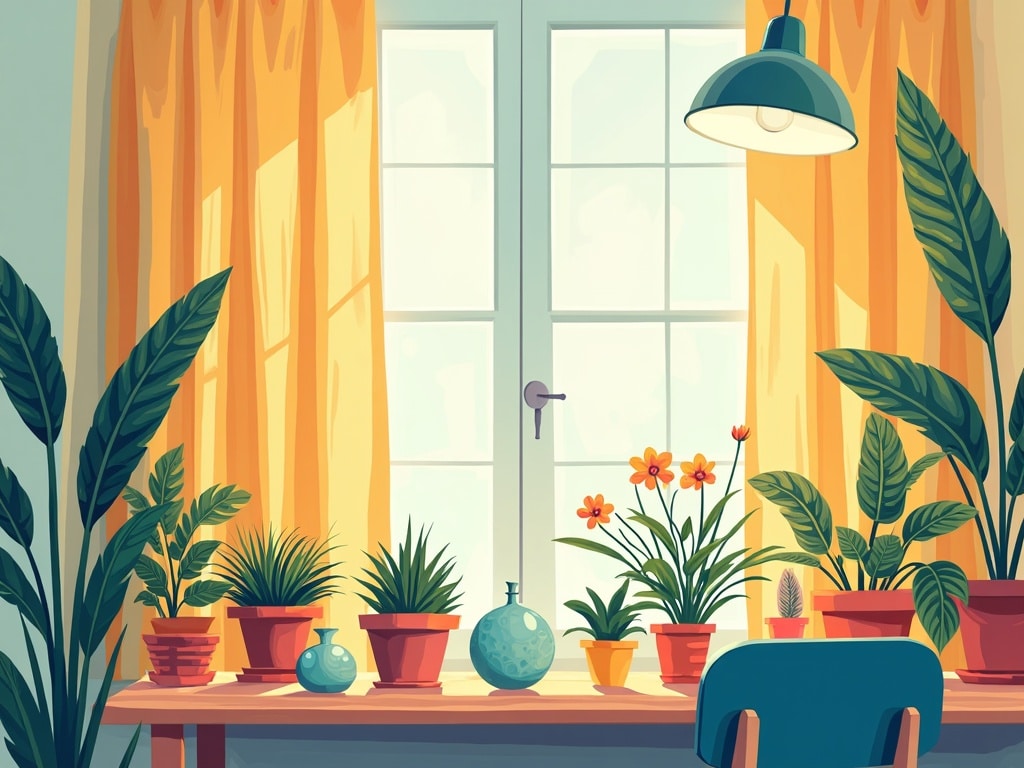
- Grow Houseplants: Certain houseplants can help filter toxins from the air (e.g., snake plant, spider plant, peace lily).
- Regularly Clean Carpets and Rugs: Vacuum regularly to remove dust, dirt, and allergens. Consider using a non-toxic carpet cleaner.
9. Test for Radon and Lead
Radon and lead are two invisible dangers that can pose serious health risks. Test your home for radon, a radioactive gas that can seep into homes from the ground. If you suspect lead paint in your home (common in older homes), have it tested by a certified professional.
10. Be Mindful of Outdoor Toxins
Creating a non-toxic home environment extends beyond your indoor space. Be mindful of the chemicals you use in your yard and garden. Avoid using chemical pesticides and herbicides, and opt for natural gardening methods instead. Consider creating a butterfly garden or a pollinator-friendly garden to support biodiversity and create a healthier ecosystem around your home, you could visit this website, for some tips and inspiration.
The Benefits of a Non-Toxic Home
While the transition to a non-toxic home may require some effort and investment, the benefits are well worth it. By creating a healthier living environment, you can:
- Improve Your Overall Health and Well-being: Reduce your exposure to harmful chemicals and toxins that can negatively impact your health.
- Reduce Allergy and Asthma Symptoms: Improve indoor air quality and minimize exposure to allergens and irritants.
- Enhance Sleep Quality: Create a more relaxing and restorative sleep environment by reducing exposure to toxins that can disrupt sleep patterns.
- Boost Your Immune System: Strengthen your immune system by reducing the burden of toxins on your body.
- Protect Your Family’s Health: Create a safer and healthier environment for your children and other family members.
- Reduce Your Environmental Impact: Support sustainable practices and reduce your contribution to pollution.
Start Small, Stay Consistent
Creating a non-toxic home environment is a journey, not a destination. Don’t feel pressured to make all the changes at once. Start by addressing the most pressing concerns, such as switching to natural cleaning products and improving indoor air quality. As you become more comfortable with the process, you can gradually make more changes. Remember, every small step you take contributes to a healthier and more sustainable living environment for you and your family.
Conclusion
Your home should be a sanctuary, a place where you can truly thrive. By taking proactive steps to create a non-toxic environment, you can transform your living space into a haven of health and well-being. Embrace the journey, make informed choices, and enjoy the peace of mind that comes with knowing you’re creating a healthier future for yourself and your loved ones.